Smart Kitchen Hacks & Eco-Friendly Living
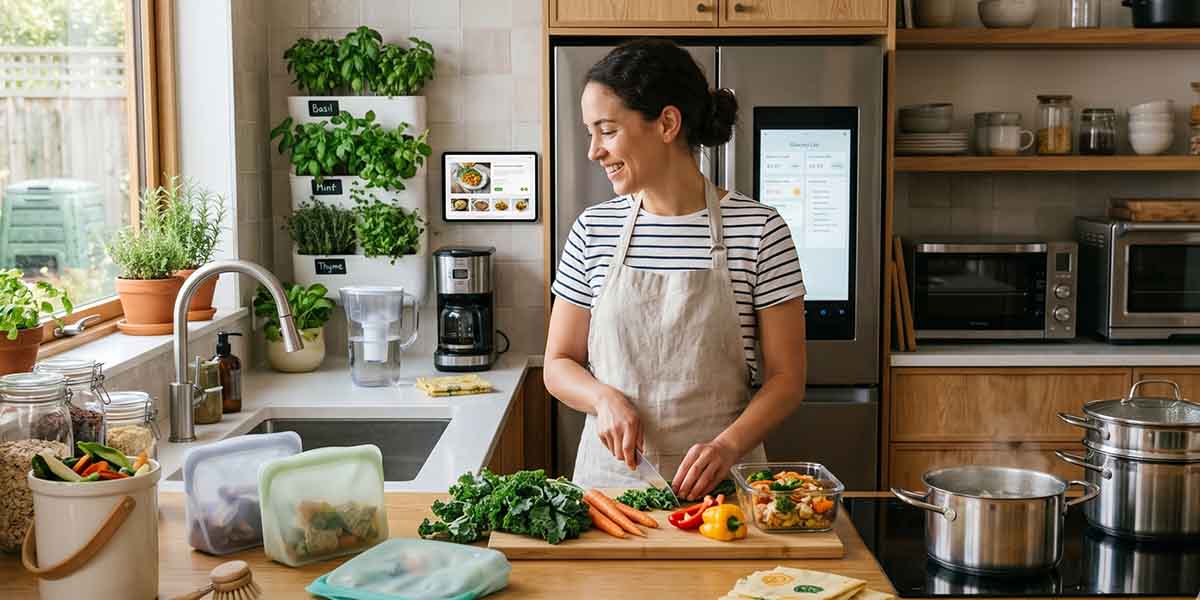
There is a point in most people’s lives when the kitchen stops being just a place to cook and starts feeling like the most important room in the house. It is where families gather, where budgets are stretched or blown, and, increasingly, where small daily choices ripple outward into something much larger — the health of a household and, to some degree, the health of the planet.
This article is not about living a perfectly minimalist life or spending a fortune on stainless-steel compost bins. It is about the practical, unglamorous stuff — the kind of changes that you make on a Tuesday evening when you are tired and just trying to get dinner on the table without creating a mountain of waste or spending more than you need to.
The good news is that smart kitchen habits and eco-friendly choices are, more often than not, the same thing. Wasting less food saves money. Using less energy lowers the electricity bill. Buying smarter means fewer trips to the store. It all connects.
1. Stop Letting the Fridge Lie to You
Most of us treat the refrigerator like a black hole — things go in, and sometimes we are surprised by what comes out three weeks later. The fix is embarrassingly simple: stop storing things randomly and start using what old restaurant kitchens call the FIFO method — First In, First Out.
When you buy groceries, move the older items to the front and put the new ones behind. This alone can cut food waste dramatically because you stop reaching past the sour cream that is still good to grab the fresh tub behind it.
Keep a ‘Use First’ Shelf
Designate one shelf or a clear container in your fridge for anything that needs to be eaten in the next day or two. Wilting spinach, half-used cans of coconut milk, the tail end of a block of cheese — these all go there. When you are deciding what to cook, that shelf is the first place you look. On weeks when this becomes a habit, the amount of food that ends up in the bin drops noticeably.
Temperature Zones Matter
Most refrigerators are not evenly cold. The door is the warmest spot — which is why milk stored there goes off faster. Dairy and meat belong at the back of the main shelves where it is coldest and most consistent. Condiments and juices are fine in the door. Keeping ethylene-producing fruits (apples, pears, avocados) away from sensitive vegetables like leafy greens and broccoli also extends their life without spending a single penny.
2. The Art of Using the Whole Thing
Somewhere along the way, home cooks started discarding parts of ingredients that previous generations would have found baffling to throw away. Broccoli stems, parmesan rinds, chicken carcasses, citrus peels — these are all still useful, and in many cases, they are the best part.
Vegetable Scraps to Stock
Keep a bag or container in the freezer and drop in vegetable scraps as you cook throughout the week:
- Onion skins and ends (they deepen color and flavor)
- Carrot peels and tops
- Celery leaves and ends
- Mushroom stems
- Leek tops
- Herb stems from parsley, thyme, and rosemary
When the bag is full, cover the scraps with water, simmer for 45 minutes, strain, and you have a deeply flavored vegetable stock. It costs nothing and takes about ten minutes of actual hands-on time.
Parmesan Rinds Are Gold
Do not throw away the hard rind at the end of a block of parmesan or pecorino. Drop it into soups, risottos, or tomato sauces while they cook. It dissolves slowly and adds a savory, slightly salty depth that is genuinely hard to replicate any other way. Store them in a zip bag in the freezer if you do not cook with them immediately.
Citrus Peel Has a Second Life
Before juicing lemons or oranges, zest them. The zest keeps for weeks in a small jar in the fridge and can be stirred into baked goods, salad dressings, pasta, or yogurt. You can also steep citrus peel in white vinegar for a couple of weeks to make a cleaning solution that genuinely works on grease and leaves no chemical smell behind.
3. Cooking Smarter, Not Longer
Energy use in the kitchen adds up faster than most people realize. The good news is that cooking more efficiently does not require changing what you eat — it mostly means rethinking how you apply heat.
Match the Pan to the Burner
Using a small pan on a large burner wastes a significant amount of energy — the heat simply radiates outward into the kitchen instead of going into the food. The base of the pan should cover the burner, not the other way around. This is one of those tiny adjustments that costs nothing and adds up meaningfully over the course of a year.
Lids Are Underrated
Cooking with a lid on the pot keeps heat in and dramatically reduces both cooking time and energy use. Water boils faster, vegetables steam rather than just sitting in hot water, and sauces reduce without you having to crank the heat. A basic rule of thumb: if something is simmering, it should have a lid on it unless you are intentionally trying to evaporate liquid.
The Residual Heat Trick
Electric stove coils and solid plate burners hold heat for several minutes after you turn them off. For pasta, rice, or anything that finishes with a simmer, turn the burner off two or three minutes before you would normally and let residual heat do the rest. The food keeps cooking; the meter stops.
Use the Microwave Without Guilt
Microwaves use roughly 50 to 80 percent less energy than a conventional oven for reheating or cooking small portions. Steaming vegetables in a microwave is actually one of the most nutritionally sound cooking methods because the shorter time and less water means fewer vitamins are lost. There is nothing wrong with using it more.
4. Reducing Plastic Without a Complete Overhaul
Single-use plastics in the kitchen accumulate quietly. Cling wrap, zip-lock bags used once, plastic produce bags, disposable coffee pods, bottled water — none of them feel significant on their own, but they add up into a considerable volume of waste over a year. The good news is that alternatives exist and most of them actually perform better.
Swap Cling Wrap for Beeswax Wraps or Simply a Plate
Beeswax wraps mold around bowls and irregular shapes with the warmth of your hands. They wash in cold water, last for about a year with reasonable care, and work for everything except raw meat. But honestly, for many jobs — covering a bowl of leftover soup, wrapping half an avocado — a plate balanced on top or an inverted bowl does exactly the same thing at zero cost.
Glass Containers Over Plastic Ones
This is worth making the switch gradually rather than all at once. Glass containers do not stain, do not hold odors, go from freezer to oven without issues, and last indefinitely. Pasta sauce in a glass container does not look or smell like it was stored in yesterday’s curry. Over the course of a few years, the initial higher cost becomes irrelevant because you stop replacing warped and discolored plastic every eighteen months.
Reusable Produce Bags
Lightweight mesh bags work perfectly for loose vegetables and fruit. They are barely noticeable on the scale at checkout, weigh nothing, fold into nothing, and eliminate the need for the flimsy plastic bags at the supermarket produce section. Keep a few in with your reusable shopping bags so they are always there when you need them.
5. Water: The Overlooked Resource
Kitchens use more water than most people track. Dishes, rinsing produce, boiling, thawing frozen food under running water — it adds up. A few small adjustments go a long way.
Rinse Produce in a Bowl, Not Under the Tap
Fill a large bowl with cold water and wash vegetables in it rather than holding them under a running tap. The water you use does not disappear — pour it on houseplants or outdoor planters afterward. It gives them a drink while doing a job it was going to do anyway.
Thaw Food in the Fridge, Not Under Running Water
Running water over frozen food wastes a significant amount of water and can create uneven thawing. Planning ahead and moving things from freezer to fridge the night before is the simplest fix. If time is short, a sealed bag submerged in a bowl of cold still water (changed once or twice) works nearly as fast as running water with almost no waste.
Only Run Full Loads in the Dishwasher
A dishwasher uses roughly the same amount of water whether it is half full or completely packed. Running it only when full is one of the most effortless ways to reduce both water and energy consumption. Most modern dishwashers also clean more thoroughly than hand-washing, so the eco-friendly choice is also the more convenient one.
6. The Shopping Habits That Make Everything Easier
A lot of kitchen waste and unnecessary spending begins before you even get home. The grocery store is where the decisions that fill your refrigerator get made, and a few shifts in approach can dramatically change what ends up wasted.
Shop with a Rough Meal Plan
This does not need to be a color-coded spreadsheet. A rough idea of four or five meals for the week — jotted on the back of an envelope or a quick note on your phone — is enough to buy with purpose rather than optimism. Buying a bunch of kale because it looks good has a much lower success rate than buying it because you know Thursday’s dinner calls for it.
Buy Loose Rather Than Pre-Packaged When Possible
Loose garlic, onions, apples, and root vegetables cost less per unit and come without the plastic tray and cling wrap. You also get to choose exactly how many you need rather than being locked into the portion size the packager decided on. Two onions is often exactly right; a bag of eight is sometimes a race against time.
Embrace Imperfect Produce
Wonky carrots taste identical to straight ones. A misshapen pepper roasts just as beautifully. Many grocery chains and online delivery services now offer boxes of imperfect or surplus produce at a discount — they are an excellent option for anyone who cooks regularly and is not precious about aesthetics. The flavor is the same; only the shape is different.
7. Natural Cleaning That Works
Kitchen cleaning products are a significant source of both plastic waste and chemical exposure in the home. The cleaning section of any supermarket offers a bewildering array of sprays, tablets, gels, and foams, most of which do the same basic job. A surprisingly effective kitchen cleaning kit can be assembled from a handful of simple ingredients.
White Vinegar + Water for Most Surfaces
A 1:1 mixture of white vinegar and water in a spray bottle handles grease, food residue, and odors on most kitchen surfaces. It is not suitable for natural stone countertops (the acid can dull the finish), but for everything else — laminate, tile, glass, stainless steel — it works reliably. The smell dissipates quickly and leaves no residue. A large bottle of white vinegar costs almost nothing and lasts for months.
Baking Soda for Scrubbing
For stubborn baked-on food on pans, a paste of baking soda and a little water applied and left for fifteen minutes lifts most residue without scratching. The same paste rubbed around the sink neutralizes odors. Combined with a splash of vinegar, it produces a satisfying fizzing action that helps clear slow-draining sinks without the need for harsh drain chemicals.
Swap Paper Towels for Cloth
Old t-shirts or cotton dish cloths cut into squares work just as well as paper towels for most cleaning jobs. Keep a small pile near the sink and toss them in with the regular laundry. If the idea of full elimination feels like too big a jump, try cutting paper towel use in half by defaulting to cloth for anything that does not involve raw meat or particularly messy spills. The savings over a year are more substantial than most people expect.
8. Making Composting Actually Work
Composting has a reputation for being complicated or smelly, which puts a lot of people off. Done right, it is neither. The basics are straightforward and the result — free soil amendment for a garden or planters — is genuinely useful.
The Two-Bin System
Keep a small, lidded container with a charcoal filter on the kitchen counter for daily scraps — this is where vegetable peelings, coffee grounds, eggshells, and tea bags go throughout the week. Empty it every few days into an outdoor bin or heap. The counter bin stays odor-free because the charcoal filter absorbs smells before they develop. The outdoor bin does the actual decomposing over weeks and months with minimal attention.
What Belongs and What Does Not
What works well in a home compost bin:
- Fruit and vegetable scraps
- Coffee grounds and paper filters
- Eggshells
- Tea leaves and bags (remove staples)
- Plain cooked rice or pasta (in small amounts)
- Cardboard and paper torn into small pieces
What to avoid in a home bin:
- Meat, fish, or bones (attract pests)
- Dairy products
- Oils and fats
- Diseased plant material
- Anything treated with pesticides
If outdoor composting is not an option — apartment living, no garden — check whether your local council offers food waste collection. Many now do, and the impact is the same.
9. Small Appliances Worth Their Counter Space
Not all kitchen gadgets earn their place, but a few genuinely change how you cook and how much energy you use doing it.
The Electric Kettle
Boiling water in an electric kettle uses less energy than heating it on the stove, particularly for small quantities. For pasta, blanching vegetables, or making stock, boiling the water in the kettle first and pouring it into the pot cuts cooking time and energy use. It is a genuinely small habit change with a real impact.
The Pressure Cooker or Instant Pot
Pressure cookers reduce cooking time by 60 to 70 percent for things like dried beans, tough cuts of meat, and grains. Dried chickpeas that would take 90 minutes to simmer cook in under 20 under pressure. Beyond the time savings, the energy reduction is significant — a shorter cooking window under sealed pressure uses far less electricity or gas than a long, open simmer on the stove.
The Slow Cooker for Off-Peak Hours
Slow cookers run on a very low wattage — typically 150 to 250 watts compared to 1,000 to 3,000 for an oven — and they do their work unattended. Setting one up in the morning means dinner is ready without turning the oven on in the evening. It also makes cheaper cuts of meat, which have a lower environmental footprint, genuinely delicious. Shoulder, shin, and cheeks that would be tough after 30 minutes in a hot pan become something else entirely after eight hours at low heat.
10. Building Habits That Stick
The challenge with most eco-friendly advice is that it presents a long list of things to change all at once. That approach rarely works. People get overwhelmed, do two or three things for a week, and then slip back to their usual patterns when life gets busy.
A more reliable approach is to pick one or two things from this list that require the least friction for your particular household. If you already meal plan loosely, tighten that up first. If your biggest pain point is food going off before you use it, start with the ‘use first’ shelf. If you go through a lot of paper towels, try swapping half of them for cloth.
The goal is not to overhaul everything simultaneously. It is to build habits one at a time until they become the default — until you stop thinking about whether to put the lid on the pot and just do it, until checking the ‘use first’ shelf before deciding what to cook is automatic.
Once a habit becomes invisible, you have room to add another one. Over the course of six months or a year, a kitchen that used to produce several bags of food waste per week and a cupboard full of half-used products starts to look very different — not because of any dramatic intervention, but because of a series of small, quiet changes that compounded.
A Few Final Thoughts
Eco-friendly living and smart kitchen habits share something important: neither requires perfection to be worth doing. Every meal cooked efficiently is a meal that used less energy. Every vegetable peel turned into stock is food that did not end up rotting in a landfill. Every cloth used instead of a paper towel is a small, unremarkable, cumulative act that adds up over time.
The kitchen is one of the most powerful places in the house precisely because it operates every day, multiple times a day, for decades. The decisions made there — what to buy, how to store it, how to cook it, what to do with the scraps — are repeated thousands of times over a lifetime. Shifting even a handful of those decisions in a more thoughtful direction ends up mattering more than most larger, one-off choices.