Backyard Gardening Ideas
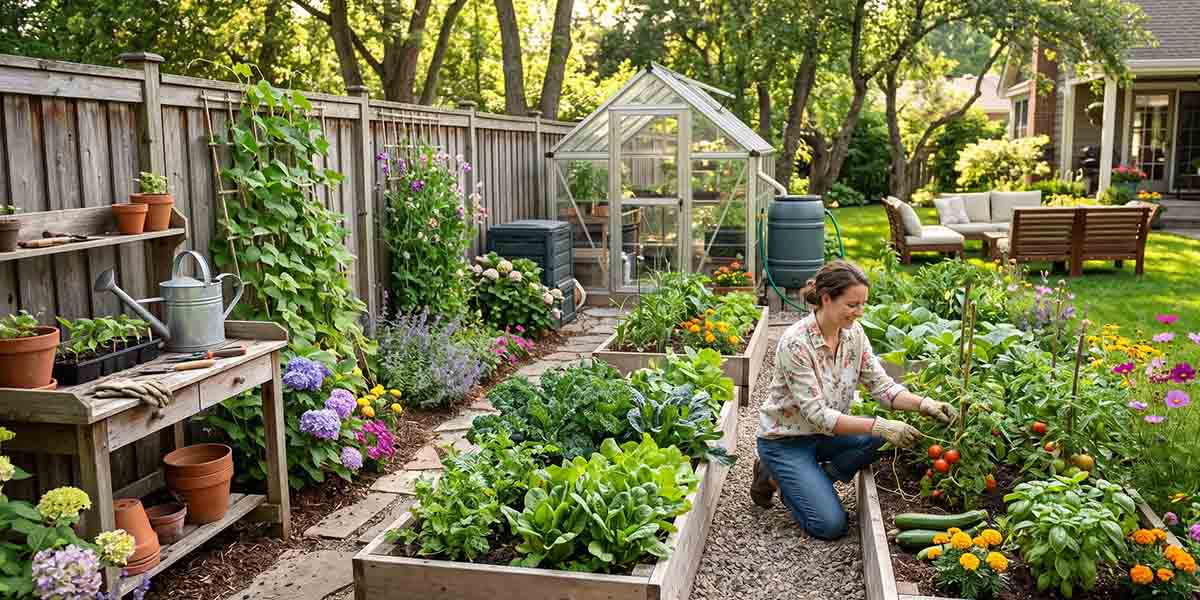
There is something quietly satisfying about stepping out your back door and into a garden you built yourself. It does not matter whether you have a sprawling half-acre or a narrow strip of land running along a fence — a backyard garden is one of the most rewarding projects a person can take on. You get fresh produce, beautiful flowers, a reason to spend time outdoors, and a living space that changes with the seasons in ways that never get old.
This guide walks through a wide range of backyard gardening ideas — from the practical to the creative — to help you make the most of whatever space you have. Whether you are a first-time gardener or someone who has been digging in the dirt for decades, there is always something new to try.
1. Start With What You Have
Before buying a single seed packet or raised bed kit, spend a morning just watching your backyard. Notice where the sun hits and for how long. Watch where rainwater pools after a storm. Look at which corners feel shaded all day and which spots bake from morning to evening. These observations will shape every gardening decision you make.
Most vegetables need at least six to eight hours of direct sunlight per day. Herbs can manage with a bit less. Leafy greens like spinach and lettuce actually prefer the cooler conditions that partial shade provides, especially in warmer climates. Matching your plants to your yard’s natural light patterns is the single most important thing you can do to set yourself up for success.
A few things worth noting before you plan your layout:
- Soil quality varies significantly from one yard to the next. Get a basic soil test from your local garden center — it costs very little and tells you a lot.
- Access to water matters. Plan your garden where you can reach it with a hose, or set up a simple drip irrigation system early on.
- Wind exposure can damage delicate plants. A fence, hedge, or trellis can act as a natural windbreak.
- Think about foot traffic patterns. Gardens placed in inconvenient spots tend to get neglected.
2. Raised Bed Gardening
Raised beds are one of the most popular approaches to backyard gardening, and for good reason. They give you full control over your soil, they drain well, they warm up faster in spring, and they make it easy to keep weeds under control. They also look neat and organized, which matters if your backyard doubles as a space for entertaining.
A standard raised bed is roughly four feet wide — just wide enough that you can reach the center from either side without stepping in. Length is flexible. Many gardeners start with an eight-foot bed and expand from there. Depth matters too. Twelve inches is generally enough for most vegetables, but root crops like carrots and parsnips prefer eighteen inches or more.
Materials for Raised Beds
Cedar and redwood are the traditional choices for raised bed lumber because they resist rot naturally. Douglas fir is cheaper and works well too, though it breaks down faster. Avoid treated lumber in beds where you plan to grow food, as older pressure-treated wood can leach chemicals into the soil. Galvanized metal raised beds have become popular in recent years — they look clean and modern, last for decades, and heat up nicely in early spring.
Fill your raised bed with a mix of topsoil, compost, and some form of drainage material like perlite or coarse sand. A common recipe is roughly 60% topsoil, 30% compost, and 10% perlite. This gives plants a rich, loose growing medium that holds moisture without becoming waterlogged.
3. Growing Your Own Vegetables
Few things beat the experience of eating a tomato you grew yourself. The flavor difference between a homegrown tomato and one bought at a supermarket is remarkable. The same goes for fresh herbs, cucumbers, beans, peppers, and zucchini. Growing your own vegetables is not just a hobby — it is a way to eat better food.
Vegetables for Beginners
If you are just getting started, stick with plants that are forgiving and productive. These tend to do well for first-time growers:
- Zucchini — Nearly impossible to kill and almost too productive. One or two plants will feed a family all summer.
- Bush beans — Fast-growing and prolific. Direct sow the seeds, water regularly, and harvest in about 60 days.
- Lettuce and salad greens — Great for partial shade, and you can harvest outer leaves repeatedly without pulling the whole plant.
- Cherry tomatoes — More reliable than large-fruited varieties, especially in shorter growing seasons.
- Cucumbers — Climb a trellis to save space and produce abundantly through summer.
- Radishes — Ready to harvest in as little as three weeks, perfect for impatient gardeners.
Succession Planting
One trick experienced gardeners use is succession planting — sowing seeds every two or three weeks rather than all at once. This spreads out your harvest so you are not dealing with fifty heads of lettuce maturing on the same day. It keeps your garden productive from early spring right through to the first frost.
4. Herb Gardens
An herb garden is one of the most practical things you can grow in a backyard. Fresh herbs transform cooking in a way that dried herbs simply cannot match. A sprig of fresh rosemary on roasted potatoes, a handful of basil torn over pasta, or fresh mint in a glass of water — these small things make an everyday difference.
Herbs are also forgiving and adaptable. Many thrive in containers on a patio or deck, which makes them perfect for smaller yards or even apartment balconies. A pot of basil, a pot of cilantro, and a pot of mint near the kitchen door can supply most of what you need for everyday cooking.
Perennial vs Annual Herbs
Some herbs come back year after year (perennials) while others complete their life cycle in a single season (annuals). Understanding the difference helps you plan your garden more efficiently.
Perennial herbs that come back each year:
- Rosemary
- Thyme
- Sage
- Oregano
- Mint (keep it contained — it spreads aggressively)
- Chives
Annual herbs to replant each season:
- Basil
- Cilantro
- Dill
- Parsley (technically biennial, but usually grown as annual)
5. Flower Gardens and Pollinator Support
A backyard without flowers is missing something. Flowers bring color, fragrance, and life to a garden in ways that vegetables and herbs alone cannot. They also attract bees, butterflies, and other pollinators that are essential for a healthy garden ecosystem — and honestly, for a healthy planet.
Interplanting flowers among your vegetables is a strategy known as companion planting. Marigolds planted near tomatoes help deter certain pests. Nasturtiums draw aphids away from more sensitive plants. Borage improves the flavor of strawberries and repels tomato hornworms. These relationships between plants are not folklore — many of them have real, practical benefits.
Best Flowers for a Pollinator Garden
- Lavender — Bees love it, it smells wonderful, and it comes back reliably each year.
- Echinacea (coneflower) — A tough native plant that attracts butterflies and finches.
- Black-eyed Susans — Long blooming season and virtually indestructible.
- Sunflowers — Tall and dramatic, fantastic for bees and birds.
- Zinnias — Brilliant colors all summer, easy from seed, excellent for cutting.
- Bee balm — Hummingbirds and bees go absolutely wild for it.
6. Vertical Gardening
Vertical gardening is one of the best solutions for small backyards. Instead of spreading out across the ground, you grow up — along fences, walls, trellises, and towers. This approach can triple the growing area available to you in a compact space.
Cucumbers, pole beans, peas, squash, and even melons can be trained to grow vertically. The fruits hang freely, which makes them easier to spot and harvest. Air circulation improves, which helps prevent fungal diseases. And the visual effect of a lush green wall covered in climbing plants is genuinely beautiful.
Simple Trellis Ideas
- A bamboo teepee — Push six to eight bamboo canes into the soil in a circle and tie them at the top. Perfect for pole beans and peas.
- Cattle panel arch — Bend a cattle panel into an arch between two raised beds. Grow cucumbers or squash over the top.
- Wire mesh on a fence — Attach wire mesh or chicken wire to an existing fence for climbing plants.
- Wooden obelisk — A classic garden structure that adds visual interest even in winter when plants have died back.
7. Container Gardening
Not all backyards have great soil — or any soil at all. Patios, decks, and concrete yards can still support a thriving garden when you grow in containers. Pots, barrels, grow bags, window boxes, and repurposed crates all work. Container gardens are also flexible. You can rearrange them, bring frost-sensitive plants inside when temperatures drop, and move things around based on where the sun falls as the seasons shift.
Tips for Container Success
- Drainage is non-negotiable. Every container needs holes in the bottom, or roots will rot.
- Bigger is almost always better. Larger containers hold more moisture and give roots more room to grow.
- Use a quality potting mix, not garden soil. Garden soil compacts too much in containers and does not drain well.
- Water more frequently than you would in a garden bed. Containers dry out fast, especially in summer heat.
- Feed your plants regularly. Container plants exhaust nutrients quickly and need supplemental fertilizing about once a week during the growing season.
- Group containers together to create a microclimate. Plants clustered together retain humidity better than isolated pots.
8. Composting
Every serious gardener eventually starts composting, and once you do, it is hard to imagine gardening without it. Compost is decomposed organic matter — kitchen scraps, yard waste, leaves — that breaks down over time into a dark, crumbly material that is extraordinary for soil health. Adding compost to your beds improves drainage in heavy clay soils, improves water retention in sandy soils, feeds beneficial soil organisms, and supplies plants with a steady stream of nutrients.
What to Compost
Good materials for your compost pile include:
- Vegetable and fruit scraps
- Coffee grounds and paper filters
- Eggshells
- Grass clippings
- Dry leaves
- Cardboard and newspaper (torn into pieces)
- Plant trimmings
Avoid adding these to your pile:
- Meat, fish, and dairy (attracts pests)
- Diseased plant material
- Dog or cat waste
- Anything that has been treated with pesticides
Compost works fastest when you balance green (nitrogen-rich) materials with brown (carbon-rich) materials, roughly one part green to two or three parts brown. Keep the pile moist but not waterlogged, and turn it every week or two to introduce oxygen. In warm weather, you can have finished compost in as little as six to eight weeks.
9. Water-Wise Gardening
Water is the most critical resource in any garden, and using it wisely makes a real difference — both for your plants and for your water bill. Many gardeners overwater, which is actually one of the most common causes of plant death. Roots need oxygen as well as moisture. Soil that stays consistently wet suffocates roots and encourages fungal disease.
Smart Watering Strategies
- Water deeply and less frequently rather than a little every day. This encourages roots to grow deeper, making plants more drought-tolerant.
- Water at the base of plants, not the leaves. Wet foliage encourages fungal problems.
- Water in the morning so plants have moisture throughout the day and foliage dries before nightfall.
- Mulch your beds with straw, wood chips, or shredded leaves. A two to three inch layer of mulch reduces evaporation significantly and also suppresses weeds.
- Consider drip irrigation. A basic drip system with a timer can be set up for under fifty dollars and does a far more efficient job than hand watering.
- Collect rainwater in a barrel. Even a small rain barrel can supply a significant portion of your garden’s water needs during the growing season.
10. Dealing With Pests Naturally
Every garden has pests. Aphids, slugs, caterpillars, squash bugs, and spider mites are part of the deal. The good news is that most pest problems can be managed without reaching for a bottle of chemical pesticide. In fact, many pesticides do more harm than good, killing beneficial insects along with the troublesome ones.
Natural Pest Control Methods
- Hand picking — For larger pests like tomato hornworms and squash bugs, the simplest approach is to pick them off by hand and drop them in soapy water.
- Insecticidal soap — A diluted solution of dish soap and water, sprayed directly on aphids and spider mites, is highly effective and harmless to plants when used correctly.
- Neem oil — Derived from the neem tree, this organic oil disrupts the life cycle of many common garden pests without harming birds, bees, or earthworms.
- Row covers — Lightweight fabric covers protect plants from flying insects without blocking light or water. Particularly useful for brassicas susceptible to cabbage moth.
- Beneficial insects — Encourage ladybugs, lacewings, and parasitic wasps by planting flowers they love. These insects feed on aphids and other garden pests.
- Beer traps for slugs — Bury a shallow container level with the soil surface and fill it with cheap beer. Slugs are attracted to the yeast, fall in, and drown.
11. Creating a Relaxing Garden Space
A backyard garden does not have to be purely functional. Some of the most enjoyable outdoor spaces combine productive growing areas with comfortable places to sit and simply be. A well-placed bench, a small bistro table, or even a hammock strung between two trees can turn your garden into a place you actually want to spend time — not just somewhere you go to do chores.
Think about how people will move through your garden. Pathways make navigation easy and define the edges of planting areas. Gravel paths are affordable and give a garden a relaxed, cottage feel. Flat stepping stones laid through a grass lawn are practical and look natural. Bark chip paths are forgiving underfoot and add warmth.
Design Elements Worth Considering
- A focal point — Every garden benefits from something the eye is drawn to. This might be a beautiful pot, a birdbath, a sculpture, a fruit tree, or simply a particularly striking plant in a prominent spot.
- Lighting — String lights, solar lanterns, or low-voltage path lighting extend the time you can enjoy your garden into the evening hours.
- A water feature — Even a small fountain adds sound and movement that transforms the atmosphere of a garden.
- Seating — At least one comfortable place to sit transforms a garden from a project into a destination.
- Privacy screening — Climbing plants on a trellis or a row of ornamental grasses can create a sense of enclosure without blocking light entirely.
12. Gardening Through the Seasons
One of the things that makes gardening genuinely compelling is that it is never the same twice. Each season brings different tasks, different plants, and different rewards. The best gardeners think about the whole year rather than just the summer months.
Spring
Spring is about preparation and early planting. Amend your beds with fresh compost, start seeds indoors for warm-season crops like tomatoes and peppers, and direct sow cool-season crops like peas, lettuce, and spinach as soon as the soil can be worked. This is also the time to divide perennials that have grown too large and to plant bare-root fruit trees and roses.
Summer
Summer is the main show — the time when most gardens reach their peak. Harvest regularly to keep plants productive (a zucchini left on the vine too long signals the plant to stop producing). Water consistently, watch for pests, and keep beds weeded. Midsummer is also a good time to sow a second round of quick-maturing crops for fall harvest.
Fall
Fall is underrated by many gardeners. Temperatures cool down, which is perfect for leafy greens, root vegetables, and brassicas. Plant garlic for harvesting next summer. Sow a cover crop like clover or winter rye in empty beds to protect and enrich the soil over winter. Add fallen leaves to your compost pile. Clean up spent plants before disease can overwinter in the debris.
Winter
Winter might look like downtime, but it is actually ideal for planning. Order seed catalogs, sketch out what you want to grow next year, research new varieties, repair or build garden structures, and take stock of what worked and what did not. In milder climates, cold frames or hoop houses can extend the growing season well into the colder months.
Final Thoughts
Backyard gardening is one of those pursuits that rewards you proportionally to how much attention you give it — but it also meets you where you are. You can put in a few hours on weekends and still grow a meaningful amount of food. You can spend every spare moment out there and never run out of things to learn or try.
Start small. Pick two or three ideas from this guide and try them this season. Learn from what happens, adjust for next year, and build from there. No garden is perfect and no gardener knows everything. The soil is patient, and so is the learning curve.
The best backyard garden is the one you actually tend. Get your hands dirty, pay attention, and enjoy the process. The harvest — in every sense of the word — will follow.