Newborn Baby Essentials Checklist
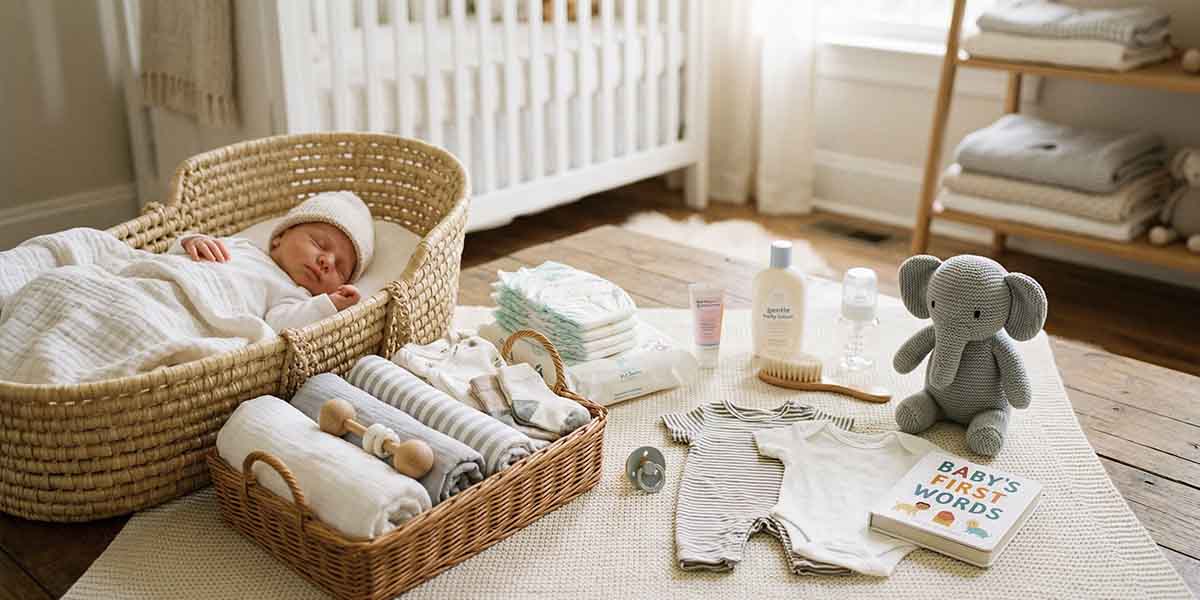
There is nothing quite like the mix of excitement and overwhelm that comes when you are expecting a baby. The stores are full of products promising to make parenthood easier, cleaner, safer, and more organized. Registries seem to grow endlessly, and well-meaning friends and family all have their own must-have recommendations.
Here is the truth: most newborns need far less than the baby industry wants you to believe. What they genuinely need is warmth, nourishment, cleanliness, sleep, and love. Everything else is either a nice-to-have or a product designed more for parental convenience than baby necessity.
This guide is built on real-world experience, not marketing. It covers what you will reach for every single day during those first weeks, what can wait until after baby arrives, and what you can probably skip altogether. Whether you are a first-time parent or adding a new sibling to the mix, this list will help you prepare with confidence.
1. Sleeping Essentials
Sleep is the single biggest challenge for new parents, and setting up a safe, comfortable sleep space for your baby is one of the most important things you can do before the baby arrives. Safe sleep guidelines from pediatric organizations recommend that babies sleep on their backs, on a firm, flat surface, with no loose bedding, pillows, or soft toys nearby.
Crib or Bassinet
A bassinet is ideal for the first three to four months because it can sit beside your bed, making nighttime feedings much easier. Once your baby outgrows it — usually around 15 to 20 pounds or when they start showing signs of rolling — you will transition to a full-size crib. If space allows, some families skip the bassinet entirely and go straight to the crib, which is a perfectly reasonable choice.
- Firm, flat mattress that fits snugly in the crib or bassinet with no gaps
- Two to three fitted sheets (you will want extras for middle-of-the-night changes)
- Waterproof mattress protector
Swaddle Blankets and Sleep Sacks
Swaddling helps newborns feel secure by mimicking the snugness of the womb. Muslin swaddle blankets are breathable and versatile — they double as nursing covers, stroller covers, and burp cloths. Sleep sacks are a safer long-term alternative to loose blankets and come in different tog ratings for different temperatures.
- Three to four muslin swaddle blankets
- Two sleep sacks in newborn and 0-3 month sizes
- White noise machine (optional but very helpful for sleep transitions)
2. Feeding Supplies
How you plan to feed your baby will shape which items belong on your list. Breastfeeding, formula feeding, and combination feeding all have their own equipment needs. That said, it is wise to have a few key items regardless of your plans, since feeding decisions sometimes change after birth.
For Breastfeeding Moms
- Breast pump (check your insurance — most plans cover one at no cost)
- Nursing bras (at least two or three comfortable ones)
- Nursing pads — disposable or reusable
- Nipple cream such as lanolin or a purified lanolin-free alternative
- Nursing pillow to support baby during feeds
- Breast milk storage bags if you plan to pump and store
For Formula or Combination Feeding
- Six to eight bottles in a range of sizes (start with 4oz)
- Slow-flow nipples designed for newborns
- Bottle brush for cleaning
- Formula (have at least one container on hand before birth)
- Bottle drying rack
Feeding Essentials for Everyone
- Burp cloths — you will want at least eight to ten, possibly more
- Bibs in newborn and 0-3 month sizes
- A small cooler bag if you plan to pump and transport milk
3. Diapering and Hygiene
Diaper changes happen roughly eight to twelve times per day in those early weeks. That adds up fast. Having your diapering station stocked and ready to go — both at home and on the go — will save you a lot of scrambling in sleep-deprived moments.
Diapering Basics
- Diapers: One to two packs of newborn size, plus a larger supply in size 1 (babies often skip newborn sizing quickly)
- Unscented baby wipes — fragrance-free is gentler on sensitive skin
- Diaper rash cream (zinc oxide-based works well)
- Changing pad with removable, washable cover
- Diaper pail or a basic lined trash can for diaper disposal
- Portable changing pad for on-the-go diaper changes
Bath Time
Newborns do not need a full bath every day. Until the umbilical cord stump falls off — usually within one to three weeks — sponge baths are recommended. After that, a few baths per week is plenty for most babies.
- Infant bathtub with a sling or hammock insert for support
- Gentle, tear-free baby wash and shampoo
- Soft washcloths (at least four to six)
- Hooded baby towels
- Baby nail file or soft-grit emery board (fingernails grow surprisingly fast)
4. Clothing and Dressing
Baby clothes are one area where it is easy to overdo it. Newborns grow out of clothing shockingly fast — some babies skip the newborn size entirely — so err on the side of buying less in the smallest sizes and more in 3-month and 6-month ranges.
What to Stock Up On
- Six to eight onesies in newborn and 0-3 month sizes
- Four to six sleepers or footie pajamas — look for zip closures rather than snaps for faster nighttime changes
- Two to three pairs of socks
- One or two hats for warmth, especially in colder months
- A few long-sleeved tops and pants if your baby will arrive in a cool season
Tip: Choose soft, breathable fabrics like cotton or bamboo. Avoid any clothing with rough seams or scratchy embellishments. Buttons and tiny closures may look cute but become frustrating at 3 a.m.
5. Health and Safety Essentials
Having a few key health and safety items on hand before your baby arrives means you will not be scrambling during a 2 a.m. emergency. These are the basics every nursery should include.
Medical Essentials
- Digital rectal thermometer — the most accurate type for newborns
- Nasal aspirator — the Frida NoseFrida or similar bulb syringe
- Saline nasal drops for congestion relief
- Infant gas drops — simethicone-based
- Baby nail scissors or clippers
- Medicine dropper or oral syringe for dispensing liquids
- Infant acetaminophen (ask your pediatrician before use under two months)
Baby-Proofing Basics
You have some time before full baby-proofing becomes critical, but a few items are worth addressing from day one, especially if you have older children, pets, or loose electrical cords in the home.
- Outlet covers for any exposed electrical outlets
- Carbon monoxide and smoke detectors on every floor
- Baby monitor — audio-only or video, depending on your preference
6. On-the-Go Gear
Getting out of the house with a newborn feels like a major expedition at first. The right gear makes it more manageable. You do not need every gadget available, but a few core pieces will help you stay mobile.
Car Seat
A properly installed, age-appropriate car seat is not optional — it is the law in every U.S. state and most countries worldwide. For newborns, an infant car seat (rear-facing bucket seat) is the most convenient choice. It clicks in and out of a stroller base easily and allows you to carry a sleeping baby without waking them. Alternatively, a convertible car seat can be used from birth and grows with your child, which saves money long-term.
- Infant car seat with base, or convertible rear-facing car seat
- Have it inspected at a certified car seat inspection station before your due date
Stroller
A good stroller becomes your second car. Consider how you will most commonly use it — city sidewalks, suburban paths, hiking trails, or all three. A travel system that pairs with your infant car seat is popular for its versatility. A lightweight umbrella stroller is easier for tight spaces and quick trips, but is typically not safe for newborns until around six months.
- Full-size stroller or travel system compatible with your infant car seat
- Stroller rain cover (optional but helpful in wet climates)
Baby Carrier or Wrap
Babywearing keeps your baby close and your hands free. Many parents swear by a soft structured carrier or a stretchy wrap for newborns. Look for one with proper head and neck support and a seat position that supports the baby’s hips in the M-position (knees higher than the bottom).
- Stretchy wrap or ring sling for newborns
- Structured soft carrier for longer use (many can be used from birth with an infant insert)
Diaper Bag
- A roomy diaper bag or backpack with multiple compartments
- Pre-pack it before your due date with diapers, wipes, a change of clothes, and a burp cloth
7. Soothing and Comfort Items
Newborns cry — sometimes a lot. That is their primary form of communication. Having a few go-to soothing options can make a real difference when you are trying to calm a fussy baby.
Pacifiers
Pacifiers, or soothers, are a personal choice. If you plan to breastfeed, many lactation consultants suggest waiting until breastfeeding is well established — typically around three to four weeks — before introducing one, to avoid nipple confusion. That said, current research supports pacifier use for reducing the risk of sudden infant death syndrome (SIDS).
- Two to three orthodontic pacifiers in newborn size
- Pacifier clips to prevent them from falling to the floor
Bouncer or Swing
Many parents find an infant bouncer or swing absolutely indispensable in the early weeks. Some babies will only fall asleep in motion, which makes these a lifesaver when you need to set your baby down safely and get something done. Not every baby likes every style, so if possible, borrow one before committing to a purchase.
- Infant bouncer seat — lightweight and portable
- Baby swing — choose one with multiple speed settings and soothing sounds
8. Postpartum Essentials for the Parent
Most baby lists focus entirely on the baby — but the person who just gave birth has needs too. Postpartum recovery is real, whether you had a vaginal birth or a cesarean section, and having a few items ready for yourself can make a significant difference in your comfort and healing.
Recovery Supplies
- Peri bottle for postpartum hygiene
- Sitz bath basin for soothing soreness
- Heavy-duty postpartum pads or adult diapers — postpartum bleeding can be heavy
- Witch hazel pads for perineal comfort
- Stool softeners — your doctor can recommend safe options
- Comfortable, high-waisted underwear in a few larger sizes
Self-Care Basics
- Snacks and easy-to-prepare meals — stocking your freezer before birth is one of the best things you can do
- A large reusable water bottle — hydration is essential, especially when breastfeeding
- Postnatal vitamins to continue supporting your recovery
9. What You Can Skip (Or Wait On)
Knowing what not to buy is just as valuable as knowing what to get. Here are a few popular items that are either unnecessary for most families or better purchased once you know your baby’s temperament and needs.
- Wipe warmer: Most babies adapt quickly to room-temperature wipes. These add cost and can dry out wipes if not used constantly.
- Shoes: Newborns have no need for shoes. Soft booties are fine, but hard-soled shoes are unnecessary until they are walking.
- Baby food and solid food equipment: You will not need this until around six months, and buying it now just takes up storage space.
- Bumper pads or crib liners: These are not recommended by pediatric safety organizations and pose a suffocation risk.
- Excessive decorative items for the nursery: A pretty nursery is lovely, but a safe and functional one is what matters most in those early months.
- Elaborate bath accessories: A simple infant tub and a few washcloths are all you need.
10. Smart Shopping Tips
Preparing for a newborn does not have to drain your bank account. A few practical approaches can help you get everything you need without overspending.
Buy Secondhand Where Safe
Many baby items — clothing, bouncers, nursery furniture, strollers, high chairs — can be purchased secondhand in excellent condition. Facebook Marketplace, local consignment sales, and Buy Nothing groups are great resources. However, always buy a new car seat (you cannot verify its crash history) and never use a secondhand crib mattress, which may harbor bacteria or have structural issues.
Borrow and Loan
If friends or family have recently had babies, ask about borrowing a swing, bassinet, or bouncer. These are items babies use for only a few months, so many parents are happy to lend them out. Return the favour when you are done.
Build a Registry Thoughtfully
When building your baby registry, focus on high-use, high-value items. Do not add things you feel you should want — add things you will genuinely reach for every day. Include a mix of price points so that all guests can find something within their budget.
Do Not Over-Buy Small Sizes
It is tempting to stock up on tiny newborn outfits, but babies grow extremely quickly. Buy a few pieces in newborn and 0-3 months, and focus most of your clothing investment on 3-6 and 6-9 month sizes, which you will get much more use out of.
Final Thoughts
No list can account for every family’s unique situation. Your specific needs will depend on where you live, how you plan to feed your baby, your budget, how much space you have, and a hundred other factors that are unique to your life. Use this guide as a starting point, not a rigid checklist.
What matters most during those first few weeks is not having the perfect nursery or the most popular gear. It is having the basic necessities in place, a support system around you, and the willingness to adapt as you learn what your baby actually needs.
The chaos of the newborn phase is temporary. Before long, those tiny socks will seem impossibly small, those swaddles will be packed away, and you will find your rhythm as a parent. Trust yourself — you are more prepared than you think.