Best Air Fryer Recipes & Buying Guide
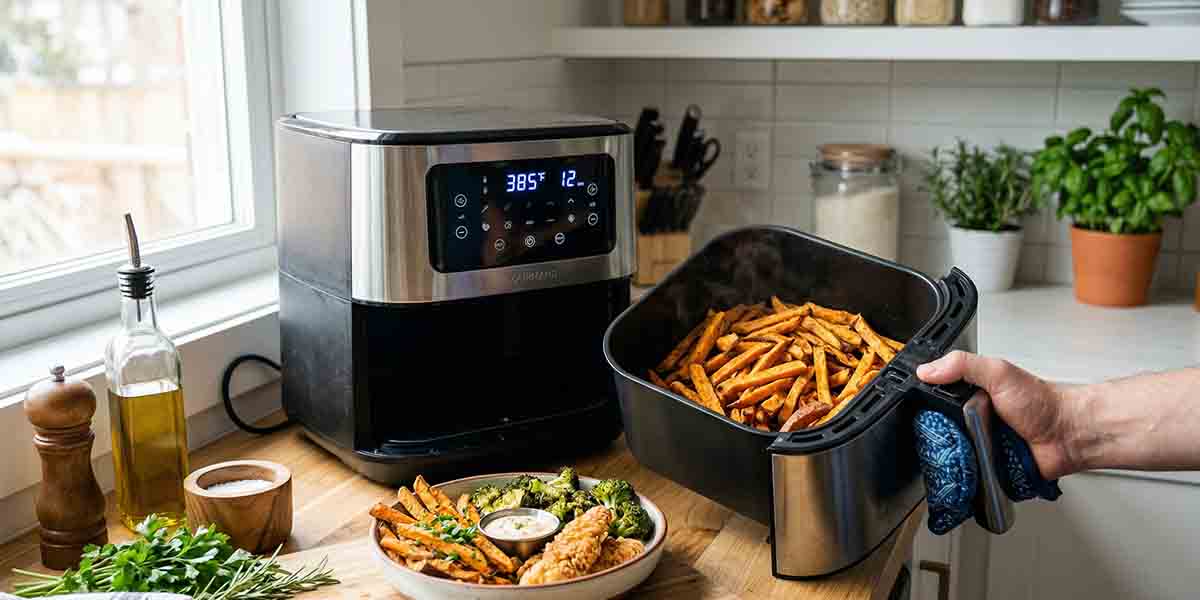
Walk into almost any kitchen today and you are likely to spot one sitting on the counter — a compact, often bulbous machine with a pull-out drawer and a digital display. The air fryer has become one of the best-selling kitchen appliances of the past decade, outselling even the beloved slow cooker in several countries during peak years. But beyond the sales figures and the social media videos of perfectly crisped chicken wings, there is a more meaningful story here. The air fryer represents a genuine shift in how people approach everyday cooking, particularly those trying to balance flavor, convenience, and health.
This article takes a thorough look at what air fryers actually do, why they have captured the public imagination, how they fit into a healthier lifestyle, what their limitations are, and what you should know before buying one or using one more effectively. Whether you already own an air fryer or are thinking about getting one, the following pages offer a grounded and practical overview of this cooking trend.
What Is an Air Fryer, Really?
Despite the name, an air fryer does not actually fry anything. There is no vat of hot oil, no bubbling fat, and no submersion involved. What the appliance does is circulate extremely hot air around food at high speed — a process known as convection cooking. A heating element near the top of the machine produces intense heat, while a powerful fan drives that hot air in rapid, swirling currents around whatever is placed in the basket below.
The effect this creates on food is remarkably similar to deep frying in one important respect: the outside of the food browns and crisps up. This happens through a chemical process called the Maillard reaction, which is responsible for the golden crust on roasted chicken, the caramelized edge on a grilled steak, and the satisfying crunch of a potato chip. In a traditional deep fryer, submerging food in hot oil drives this reaction quickly and uniformly. In an air fryer, the circulating hot air achieves something very similar, though the texture and result are not always identical.
In practice, an air fryer is a compact countertop convection oven with a more concentrated airflow than a standard oven. The smaller cooking cavity means the hot air is closer to the food and circulates more intensely, which translates to faster cooking times and crispier results than most conventional ovens can produce without specialized settings.
A Brief History: From Concept to Cultural Phenomenon
The concept behind the air fryer is not especially new. Convection cooking has been used in professional kitchens and home ovens for decades. What changed in 2010 was that a Dutch company called Philips introduced the first product specifically marketed as an “air fryer” — a purpose-built appliance designed to mimic frying results without the oil. The product was unveiled at a consumer electronics show and was positioned explicitly as a health-conscious alternative to deep frying.
Adoption was modest at first. The early models were expensive, relatively small in capacity, and the learning curve was real — food cooked differently enough from familiar methods that some users were frustrated with the results. By 2016 and 2017, however, other manufacturers had entered the market with cheaper models, larger baskets, and more intuitive controls. Food bloggers began posting recipes tailored specifically to the air fryer, and YouTube became full of demonstration videos showing crispy french fries, juicy chicken thighs, and even baked goods coming out of these small machines.
The pandemic years of 2020 and 2021 accelerated the trend sharply. With more people cooking at home and looking for faster, more convenient ways to prepare meals, air fryer sales surged in many markets. In the United States alone, annual sales crossed tens of millions of units. The appliance had moved from a niche health gadget to a mainstream kitchen staple within roughly a decade.
The Health Case for Air Frying
The core health argument for air fryers comes down to fat. Traditional deep frying involves submerging food in oil at temperatures typically between 350 and 375 degrees Fahrenheit. Foods absorb varying amounts of that oil during the cooking process. French fries, for example, can absorb anywhere from 8 to 25 percent of their weight in oil during deep frying, depending on preparation and technique. Fried chicken absorbs even more. That absorbed oil translates directly into additional calories and fat content in the final dish.
Air frying largely eliminates this oil absorption. Most air fryer recipes call for little or no added oil — sometimes just a light spray or brush to help with browning — meaning the fat content of the finished dish reflects the food itself rather than the cooking method. A study published in the journal Food Research International found that air-fried potato samples had a fat content roughly 75 percent lower than those fried in oil using conventional methods. The calorie reduction was proportionally significant as well.
Acrylamide and Chemical Concerns
One of the less-discussed but important health advantages of air frying concerns a compound called acrylamide. This chemical forms naturally in certain starchy foods — particularly potatoes — when they are cooked at high temperatures through a reaction between sugars and the amino acid asparagine. Deep frying produces acrylamide readily because of the extreme and sustained heat involved. Research on acrylamide has flagged it as a potential carcinogen, particularly at high levels of exposure, and regulatory agencies in several countries have issued guidance on reducing dietary intake of the compound.
Air frying produces lower levels of acrylamide than deep frying, according to several studies. One analysis found acrylamide reductions of up to 90 percent in air-fried potatoes compared to those prepared in traditional frying oil. This is partly because air frying at moderate temperatures involves less contact with extremely high-heat fat, and partly because cooking times are slightly different. For individuals who eat fried starchy foods frequently, this reduction may offer a meaningful long-term health benefit.
Nutrient Retention
Another consideration is how different cooking methods affect the nutrient content of food. Boiling vegetables, for instance, causes water-soluble vitamins like vitamin C and several B vitamins to leach out into the cooking water. Steaming preserves more nutrients because the food is not submerged. Air frying similarly avoids the leaching problem and, because cooking times are often shorter than oven roasting, may preserve more nutrients in vegetables and proteins than longer cooking methods do. The evidence here is less definitive than the data on fat reduction, but the general direction of available research is favorable.
Weight Management and Calorie Control
For people managing their weight or working to reduce caloric intake, the air fryer offers a practical tool. Eliminating or drastically reducing added cooking oils can shave hundreds of calories from meals that previously required deep frying. A typical serving of deep-fried french fries might contain 350 to 400 calories, while an equivalent serving prepared in an air fryer — using the same potatoes, simply cut and lightly seasoned — might clock in between 130 and 180 calories. Over the course of many meals and months, that kind of consistent reduction adds up in ways that matter for weight management.
What makes this particularly useful from a behavioral standpoint is that the air fryer delivers satisfying results. The food is crispy, flavorful, and closely resembles the texture of fried food that people enjoy. This matters because sustainable dietary changes are far more likely to stick when they do not require giving up the pleasures of the foods people love. A person who enjoys fried chicken is much more likely to maintain a healthier eating pattern if they can still have something that tastes and feels similar to fried chicken, even if the preparation method is different.
What You Can Cook in an Air Fryer
One of the reasons air fryers have maintained their popularity beyond an initial novelty phase is their genuine versatility. While the appliance is most commonly associated with fries and chicken wings, experienced users know it can handle a surprisingly broad range of foods.
Proteins
Chicken is perhaps the most popular protein for air frying, and for good reason. Skin-on chicken pieces — thighs, drumsticks, wings — emerge with genuinely crispy skin and juicy meat inside in a fraction of the oven time. Boneless chicken breast and fish fillets cook quickly and stay moist if not overdone. Shrimp, salmon portions, pork chops, and even steak can all be cooked well in the air fryer. The key for meats is not overcrowding the basket, which prevents proper air circulation and leads to uneven cooking.
Vegetables
Roasted vegetables from an air fryer often outperform their oven-roasted counterparts in terms of caramelization and texture. Brussels sprouts, broccoli florets, asparagus, zucchini, bell peppers, and cauliflower all do extremely well. The high-circulating heat crisps the edges of vegetables beautifully while keeping the interior tender. A light toss with olive oil, salt, and whatever herbs you prefer is usually sufficient. Cooking times are considerably shorter than conventional oven roasting — often 10 to 15 minutes for most vegetables at 375 to 400 degrees.
Potatoes and Starchy Foods
This is where most people start with their air fryer, and the results genuinely impress. French fries cut from fresh potatoes, tossed in a teaspoon of oil, cook to golden crispiness in 15 to 20 minutes. Sweet potato fries, potato wedges, and tater tots all work well. Whole small potatoes can be air-roasted with crispy skins in about 35 to 40 minutes. Frozen potato products — the kind that would normally require oven time — often cook faster and crispier in an air fryer.
Baked Goods and Desserts
This surprises many new air fryer users, but the appliance functions reasonably well as a small oven for baking. Muffins, cupcakes, small cakes, and cookies can all be baked in the air fryer using oven-safe ramekins or small pans that fit in the basket. The heat is often more intense than a conventional oven, so temperatures need to be adjusted down slightly and cooking times are shorter. Donuts, churros, and cinnamon rolls also work well, with results that are lighter in fat than their traditionally fried or heavily buttered counterparts.
Practical Cooking Tips for Better Results
Understanding a few fundamentals makes a real difference in the quality of what comes out of an air fryer. Many people who tried an air fryer and gave up on it did so because they did not know these basics.
- Do not overcrowd the basket. This is the single most common mistake. Air needs to circulate freely around every piece of food. If food is piled on top of itself or packed too tightly, the sections touching other food will steam rather than crisp. Cook in batches if necessary.
- Preheat the machine. Most air fryers benefit from a 3 to 5 minute preheat before food goes in. Starting with a hot cooking environment means food begins crisping immediately rather than gradually warming up, which improves texture.
- Flip or shake midway through cooking. Because heat comes primarily from the top, flipping food or giving the basket a shake halfway through ensures even browning on all sides.
- Use a light coating of oil when needed. For foods that are naturally lean or that you want to crisp well, a light brush or spray of oil — just a few grams — makes a significant difference in both color and texture. Olive oil, avocado oil, and canola oil all work well.
- Dry food before cooking it. Moisture is the enemy of crispiness. Pat chicken pieces dry, drain and pat vegetables dry, and avoid placing wet foods directly into the basket. Less surface moisture means more effective browning.
- Use a meat thermometer. Air fryers cook faster than conventional ovens, and it is easy to pull food too early or cook it too long. A simple instant-read thermometer removes the guesswork for proteins.
Choosing the Right Air Fryer
The market now offers hundreds of air fryer models across a wide range of prices and form factors. Choosing the right one depends on how you cook and how many people you typically feed.
Basket-Style vs. Oven-Style
The original and still most common design features a pull-out basket — similar to a drawer — where food is placed. This style is compact, easy to use, and excellent for most everyday tasks like fries, chicken pieces, and vegetables. The downside is limited capacity; most basket models handle 2 to 6 quarts of food, which works well for one to three people but can feel cramped when cooking for a larger household.
Oven-style air fryers look more like a small toaster oven and typically have larger capacities, multiple racks, and the ability to cook several items simultaneously. They take up more counter space but offer greater flexibility — you can cook a whole chicken, toast bread, and roast vegetables in the same appliance. For households of four or more, or for those who want to replace their toaster oven, this style often makes more sense.
Capacity and Wattage
For a single person or couple, a 2 to 3 quart basket model is usually plenty. Families of three to four will generally want a 5 to 6 quart model at minimum. Models above 7 quarts or oven-style units in the 10 to 26 quart range work well for larger households or those who like to meal prep in batches. As for wattage, most air fryers fall between 1200 and 1800 watts. Higher wattage generally means faster heating and more consistent temperatures, though mid-range models around 1500 watts perform well for most purposes.
Features Worth Paying For
Digital controls with precise temperature settings are genuinely useful and worth a modest price premium over simple dial controls. A wide temperature range — ideally from around 180 degrees up to 450 degrees Fahrenheit — gives you more flexibility for different foods. Dishwasher-safe baskets and trays make cleanup considerably easier. Dual-basket designs, which allow two different foods to cook simultaneously at different settings, have become popular and represent a genuinely useful feature for busy households.
Limitations and Honest Criticisms
No kitchen appliance is without its drawbacks, and an honest assessment of air fryers requires acknowledging where they fall short.
It Is Not the Same as Real Frying
This is the most common complaint, and it is a fair one. Air-fried food is good — often very good — but it is not identical to food cooked in a deep fryer. The crust on air-fried chicken lacks the same density and saturation as oil-fried chicken. Air-fried donuts are lighter and have a slightly different chew than their oil-cooked counterparts. For people who genuinely love the flavor that oil imparts to food, no amount of circulating hot air fully replicates that experience. If you are looking for a true substitute for deep-fried food, the air fryer will get you close but not all the way there.
Capacity Limitations
Basket-style air fryers, in particular, can feel frustratingly small when cooking for more than two people. Making enough fries for a family of four often requires two separate batches, which adds time and defeats some of the convenience advantage. This is a solvable problem — simply buy a larger model — but it is worth knowing before purchase.
Noise
The fan required for air frying is not quiet. Most air fryers produce a sustained humming or whirring noise during operation that is noticeably louder than a standard oven. In open-plan living spaces, this can be mildly annoying during longer cooking sessions. It is not a dealbreaker for most people, but it is worth knowing.
Counter Space
Even the more compact basket models take up meaningful counter space. In smaller kitchens, this is a real consideration. Some people store their air fryer in a cabinet and bring it out only when needed, but the appliance is heavy enough that this becomes annoying over time. The best outcome is having a dedicated counter spot for it, which not all kitchens can accommodate comfortably.
Air Frying and Sustainability
Beyond personal health, there is an environmental dimension to how we cook that is worth considering. Air fryers use electricity rather than gas, which in regions with clean or renewable electricity grids can represent a lower-carbon cooking option compared to gas ranges. More concretely, because air fryers preheat nearly instantly and cook faster than conventional ovens, they use significantly less energy for equivalent cooking tasks. One analysis found that cooking a batch of chicken in an air fryer consumed roughly half the energy of the same task in a conventional oven.
The reduction in cooking oil also has a small but real environmental benefit. Commercial cooking oil production is resource-intensive and generates waste in the form of used frying oil, which must be disposed of responsibly. Home cooks using air fryers dramatically reduce the volume of oil they purchase and discard over time.
Air Fryers in the Context of a Healthy Diet
It would be a mistake to treat the air fryer as a miracle machine that transforms any food into a healthy option. The cooking method reduces fat and certain harmful compounds, but it cannot change the fundamental nutritional profile of whatever you put in the basket. A frozen breaded mozzarella stick cooked in an air fryer is still a frozen breaded mozzarella stick — it is just cooked with less oil than a deep-fried version. The base ingredient still matters enormously.
The real value of the air fryer from a nutritional standpoint is what it makes easier and more appealing. Roasting a pan of vegetables in a conventional oven takes 25 to 35 minutes and requires preheating. The same vegetables in an air fryer take 10 to 15 minutes, require no preheating, produce crispier results, and involve minimal cleanup. For busy people who might otherwise resort to takeout or processed convenience foods, having a fast and low-effort way to prepare genuinely good vegetables and lean proteins is a meaningful advantage.
Nutrition experts generally view the air fryer as a tool that supports rather than defines a healthy diet. Used as a way to prepare more whole foods with less added fat and less reliance on deep frying or processed foods, it is a net positive. Used primarily to cook frozen snack foods that would otherwise be deep-fried, it reduces harm somewhat but does not fundamentally improve dietary quality.
Sample Recipes to Get You Started
For those new to air frying, a few reliable starting points make a real difference in building confidence with the appliance.
Crispy Garlic Chicken Thighs
Take four bone-in, skin-on chicken thighs and pat them completely dry. Mix together a teaspoon of garlic powder, a teaspoon of smoked paprika, half a teaspoon of onion powder, salt, and black pepper. Rub this mixture all over the chicken, including under the skin if possible. Place in a preheated 400-degree air fryer and cook for 18 to 22 minutes, flipping once at the halfway point. The skin should be deeply golden and crackling-crisp, while the meat stays tender and juicy inside.
Roasted Broccoli with Lemon
Cut a head of broccoli into similar-sized florets and toss with a tablespoon of olive oil, a generous pinch of salt, and black pepper. Spread in a single layer in the air fryer basket — do not pile them up. Cook at 375 degrees for 10 to 12 minutes, shaking the basket once midway through. Finish with a squeeze of fresh lemon juice and, if you like, a scattering of parmesan cheese. The florets will have beautifully browned, crispy edges that are frankly better than most oven-roasted versions.
Homemade French Fries
Peel two medium russet potatoes and cut into uniform sticks about a quarter inch thick. Soak in cold water for at least 20 minutes, then drain and dry thoroughly. Toss with just one teaspoon of neutral oil, salt, and whatever seasoning you like. Cook in a single layer at 380 degrees for 15 minutes, shake the basket, then continue for another 5 to 8 minutes until golden and crispy. These fries have a satisfying crunch and a fraction of the fat of restaurant fries.
Conclusion: More Than Just a Trend
The air fryer landed in kitchens during a moment when people were increasingly thinking about what they eat and how it is prepared. It offered something that many health-oriented kitchen gadgets fail to deliver: genuinely delicious results without the guilt of deep frying. That combination proved irresistible to millions of cooks, and it explains why the air fryer has shown unusual staying power compared to other appliance trends.
The health benefits are real, if sometimes overstated in marketing. Significantly less fat, lower acrylamide levels, good nutrient retention, and faster cooking times that make wholesome ingredients more practical — these are genuine advantages that hold up under scrutiny. The appliance is not magic, and it will not transform a poor diet into a nutritious one by itself. But used thoughtfully, as part of a cooking approach that emphasizes whole ingredients and home-prepared meals, the air fryer is a genuinely useful tool.
For anyone who has been curious about air frying but has not yet committed, the barriers to entry have never been lower. Good-quality models are available at accessible prices, the recipes are well-documented and numerous, and the learning curve is shorter than many expect. Give it a few weeks of regular use and it is hard to imagine going back to heating the full oven every time you want a plate of crispy vegetables or a quick chicken dinner.
The air fryer started as a niche health gadget and became a fixture of the modern kitchen because it genuinely earned its place there. That is the real story behind the trend.