Smart Storage Ideas That Save Space
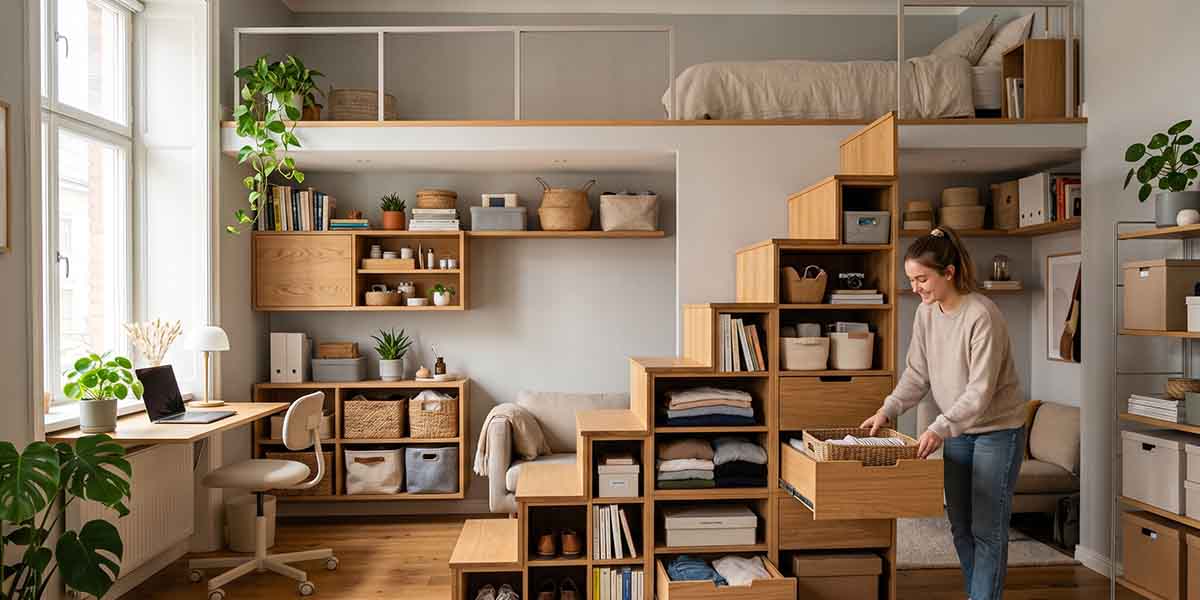
Most people think they need a bigger home. What they actually need is a smarter one. Whether you live in a cramped studio apartment or a moderately sized house, clutter has a way of taking over — and once it does, even a large room can feel suffocating. The truth is, the problem is rarely a lack of space. It is almost always a lack of organization.
Storage is not just about tucking things away. Done right, it changes how a space feels, how easy it is to live in, and even how much time you spend looking for lost items each morning. Over the years, clever homeowners, interior designers, and space planners have come up with some genuinely brilliant storage ideas that do not require a renovation budget or a contractor. Many of them cost very little and can be done over a weekend.
This article walks through room-by-room storage ideas that work in the real world — not just in Pinterest photos. If you have been staring at piles of stuff with no idea where to begin, these ideas will give you a clear starting point.
Start With Vertical Space — Most People Forget It Exists
The single biggest mistake people make with storage is thinking only horizontally. Floors fill up. Surfaces pile up. But the walls? They stretch all the way to the ceiling and most of that real estate sits completely unused.
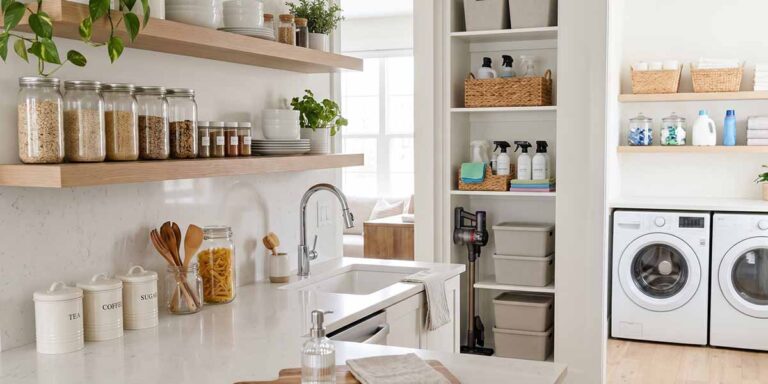
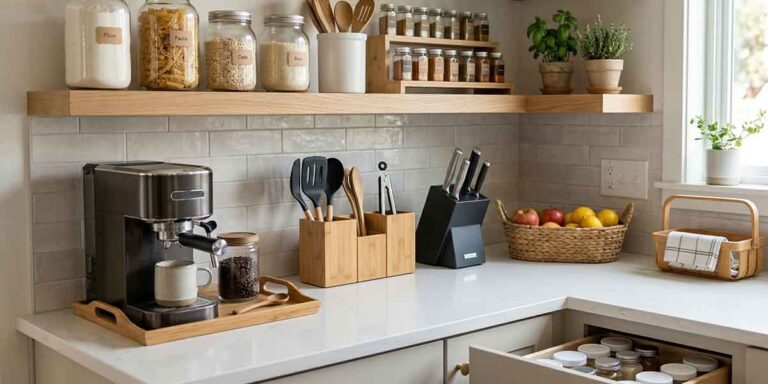
Floating shelves are one of the easiest ways to reclaim vertical space. In a living room, they hold books, plants, and decorative items without consuming floor area. In a kitchen, they replace upper cabinets and make items much easier to reach. The key is to install them high enough to clear everyday movement but low enough that you are not using a step stool every morning.
In bedrooms and hallways, floor-to-ceiling shelving units built around doorways are a particularly underrated trick. The space above a doorframe — typically six to twelve inches between the top of the door and the ceiling — is dead space in most homes. A simple shelf there is perfect for storing items you do not need every day: seasonal decor, extra blankets, board games, or photo albums.
Pegboards are another vertical storage winner. Originally a garage staple, they have made their way into kitchens, home offices, craft rooms, and even bathrooms. Hook placement can be changed in minutes, making it easy to reorganize as your needs shift.
The Kitchen: Where Storage Problems Begin and End
Kitchens generate more clutter than almost any other room, partly because they have so many categories of stuff — food, utensils, small appliances, cleaning supplies, and cookware — and partly because people underestimate how much space is already there, just not used well.
Inside the Cabinets
Cabinet interiors are often half-empty — not because there is nothing to store, but because items stack poorly. A short stack of plates uses the full depth of a shelf, but the remaining vertical space above the stack goes to waste. Shelf risers and stackable organizers fix this immediately. Place a riser inside a cabinet and you effectively double its capacity. Store dinner plates on the bottom, salad plates on the riser shelf above.
Pull-out drawer organizers are another game-changer for deep cabinets. Rather than reaching into the back of a cabinet and knocking everything over, you simply pull out the drawer and see everything clearly. These work especially well for spices, cleaning products under the sink, and baking supplies.
Countertop and Wall Storage
A magnetic knife strip mounted on the wall keeps knives accessible and off the counter. A hanging pot rack above a kitchen island does the same for cookware, freeing up entire cabinet sections for other things. If you do not have an island, a simple ceiling-mounted rack over a stove area achieves the same result.
The inside of cabinet doors is prime storage territory that most people completely ignore. Tension rods mounted inside a cabinet door hold cutting boards vertically. An adhesive-mounted over-the-door rack on a pantry door holds canned goods, spice jars, or foil and wrap boxes. These additions do not require any drilling and can hold a surprising amount.
The Bedroom: Sleeping in a Clutter-Free Space
The bedroom is supposed to be a place of rest, but for many people it doubles as a storage unit. Clothes pile up on chairs. Shoes scatter across the floor. The nightstand becomes a small landfill of books, chargers, glasses, and things left there “just for now.”
Under the Bed
The space under the bed is one of the most valuable and consistently wasted areas in any bedroom. Low-profile storage containers on wheels slide in and out easily and can hold seasonal clothing, extra bedding, shoes, or luggage. If your current bed sits very low to the ground, bed risers add several inches of clearance and cost almost nothing.
Platform beds with built-in drawers are worth the investment if you are shopping for a new bed frame. They offer the equivalent of an entire dresser in drawer space without taking up a single additional inch of floor area.
The Closet
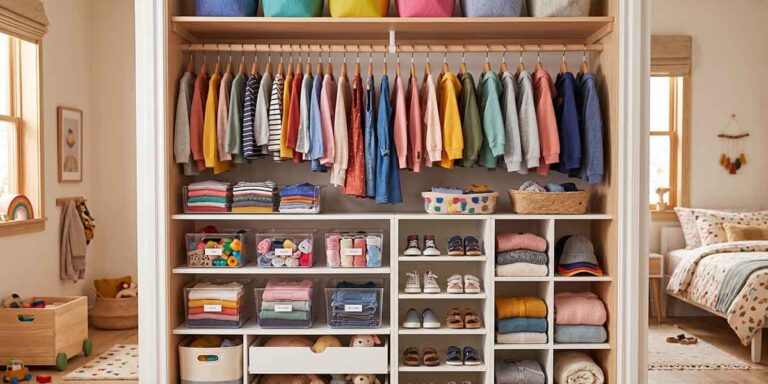
Most closets are built with a single rod and one shelf above it. That setup works well for long items like dresses and coats, but it wastes the lower half of the closet on short hanging items like shirts and jackets. Adding a second rod beneath the first creates two levels of hanging space and effectively doubles your closet capacity without buying anything expensive.
Slim velvet hangers rather than bulky plastic ones can recover several inches of horizontal rod space in a packed closet. It sounds minor, but the difference when every hanger is slimmed down is quite noticeable.
For shoes, an over-the-door shoe organizer takes up zero floor space. A tiered shoe rack on the closet floor keeps pairs organized and visible. If closet floor space is extremely limited, hooks mounted on the closet wall can hold bags, belts, and scarves at eye level instead of in a tangled pile.
The Bathroom: Small Room, Big Storage Needs
Bathrooms are almost universally the smallest rooms in a home, yet they need to hold toiletries, towels, medicines, cleaning supplies, and personal care products. Getting storage right in a bathroom changes the whole experience of using it.
A narrow over-the-toilet shelving unit is one of the best bathroom additions available. The space above the toilet tank is almost always unused, and a simple three-tier unit there can hold hand towels, toiletries, and decorative items while occupying just a few square inches of floor space. Most of these units require no installation — they simply sit on the floor and lean against the wall.
Inside the shower, a corner tension rod caddy keeps shampoo, conditioner, and soap elevated and off the floor or tub ledge. These install in seconds and hold considerably more than they look like they should. For a cleaner look, recessed shower niches — built into the wall during renovation or added as a retrofit tile shelf — are the gold standard.
Medicine cabinets with mirrored fronts serve double duty: storage inside and a mirror outside. If your bathroom does not have one, a recessed medicine cabinet can often be installed between wall studs with minimal effort. For renters, a surface-mounted cabinet works just as well without touching the wall structure.
Towel hooks mounted on the back of the bathroom door free up towel bar space on the walls. Rolling carts with multiple tiers slide beside the vanity and hold makeup, hair tools, or cleaning supplies. They can be moved when needed and tucked away when not.
Living Spaces: Storage That Does Not Look Like Storage
The challenge in a living room or dining area is that storage needs to be invisible — or at least attractive. Nobody wants to look at plastic bins or exposed shelves full of miscellaneous objects. The best living room storage solutions hide in plain sight.
An ottoman with interior storage is perhaps the single most underrated piece of furniture a person can own. It functions as a footrest, extra seating, a coffee table with a tray on top, and a storage container — all at once. Blankets, board games, remote controls, and books disappear inside it and the room immediately looks tidier.
Benches at the end of a sofa or along a hallway wall often include interior storage as well. These are great for children’s toys, sports gear, or extra throw pillows. The seat lifts to reveal the compartment inside.
Built-in bookshelves flanking a fireplace or television are a classic look that delivers enormous storage capacity. If built-in shelving is not an option, freestanding bookcases placed symmetrically around a focal point achieve a similar effect. Media consoles with closed cabinet doors hide cable boxes, gaming consoles, and cords from view while keeping them accessible.
For toys, magazines, or general clutter, woven baskets placed on lower shelves or beside a sofa blend into the room’s decor while keeping things off the floor. A simple rule: if it is visible in the room, make sure it looks like it belongs there.
Entryways and Hallways: The First Impression
The entryway sets the tone for the whole home. When it is cluttered with shoes, bags, and coats piling on one another, nothing beyond it feels particularly organized. A few targeted storage solutions in this small area can make an enormous difference.
A hall tree — a freestanding unit with hooks, a small bench, and sometimes a shelf or cabinet — handles coats, bags, and keys in one place. If there is not enough room for a full hall tree, a row of hooks mounted at different heights on the wall serves the same purpose. Higher hooks hold adult coats. Lower hooks put children’s items within their reach.
A small bench with storage underneath handles shoe chaos at the door. Shoes go in, lid goes down, and the bench doubles as a place to sit while putting them on or taking them off. In very tight entryways, a wall-mounted folding shelf serves as a drop zone for keys and mail without taking up floor space at all.
Hallways often have blank walls that stretch for several feet. Narrow floating shelves along a hallway wall use that space to display items or store lightweight objects. A slim console table against a hallway wall provides a surface for lamps, decorative pieces, and a basket or two underneath for additional storage.
Home Offices and Work Areas: Taming the Paper Trail
Whether it is a dedicated room or a corner of the living room, a work area accumulates clutter faster than almost any other space. Paper, cables, office supplies, reference materials, and equipment all compete for limited surface area.
A desk with built-in drawers handles most everyday supplies. For desks without drawers, a desktop organizer or a small set of rolling drawers beside the desk solves the problem inexpensively. Cable management boxes hide power strips and the tangle of charging cables that collect beneath every modern work surface.
Wall-mounted file organizers keep current paperwork visible and accessible without taking up desk space. Vertical file holders mounted on the wall above a desk create a kind of vertical inbox that keeps paper moving rather than piling up. For reference materials and books used regularly, a simple floating shelf at eye level above the monitor keeps them at hand without cluttering the desktop.
For office supplies — pens, scissors, tape, sticky notes, paper clips — drawer organizers inside a desk drawer create order immediately. Everything has a fixed location, so nothing gets lost at the bottom of a pile or pushed to the back of a drawer where it will not be found for six months.
Garages and Utility Areas: Functional Over Everything
Garages and utility rooms have one job: to hold everything that does not belong inside the living areas of a home. Garden tools, sports equipment, seasonal decorations, and hardware supplies all land here. Without a clear system, garages become the room where objects go to be permanently forgotten.
Wall-mounted track systems with adjustable hooks, shelves, and bins are the most flexible garage storage solution available. Tracks mount to the studs and hold configurations that can be rearranged as stored items change with the seasons. Bicycles hang from the ceiling or off the wall. Sports equipment hangs from hooks. Seasonal items go on upper shelves.
Overhead ceiling storage racks are underused in most garages. Mounted to the ceiling joists, these platforms can hold large bins, luggage, camping gear, and other items that do not need to be accessed often. The ceiling space in most garages is completely dead — a ceiling rack brings it to life.
Heavy-duty shelving units along the perimeter walls hold bins and boxes in a way that keeps the floor clear for vehicles and movement. Labeling bins clearly sounds obvious, but it is the step most people skip — and then spend time opening every bin when they need something specific.
Multi-Purpose Furniture: Getting Two Functions From One Piece
Multi-purpose furniture is the cornerstone of smart space planning. When square footage is limited, every piece of furniture has to pull its weight — preferably in more than one way.
Some of the most practical examples:
- Sofa beds and daybeds provide seating by day and sleeping space by night — perfect for guest rooms that double as offices or hobby rooms.
- Coffee tables with lift-top surfaces reveal interior storage compartments and raise to a comfortable working height, turning the table into a dining surface or laptop desk.
- Dining tables with drop-down leaves fold flat against a wall when not in use, returning the floor space to the room.
- Murphy beds fold into the wall and allow the same room to function as a proper bedroom at night and a completely usable living or work space during the day.
- Nesting tables tuck under one another when not needed and spread out easily when entertaining guests.
The trick with multi-purpose furniture is to buy items that do their secondary function well, not just adequately. A sofa bed with a poor mattress will go unused as a bed. A lift-top coffee table with a flimsy mechanism becomes a daily frustration. Quality matters when a piece of furniture carries more than one responsibility.
A Few Storage Rules Worth Remembering
Beyond specific room-by-room ideas, a few general principles make storage systems actually work over time rather than deteriorating back into chaos.
Store things where you use them.
The best storage spot for something is the spot closest to where it gets used. Extra coffee filters belong in the kitchen cabinet nearest the coffeemaker, not in the pantry across the room. Scissors used at the desk should live in the desk, not a kitchen drawer. The further something is stored from where it is used, the less likely it is to be put back after use.
Make it easy to put things away, not just to find them.
Storage systems fail when putting something away requires more effort than leaving it on the counter. If the lid on a bin is hard to remove, the bin will sit open — or worse, items will pile up beside it. Open bins, hooks rather than hangers, and drawer organizers with wide compartments all reduce the effort of putting things back where they belong.
Declutter before you organize.
No storage system can compensate for too much stuff. Before investing in new shelves, bins, or organizers, go through what you have and remove what you no longer need, use, or want. Donating, selling, or discarding items before organizing them means you are creating systems for the things that actually matter — not finding more elaborate ways to keep things you forgot you owned.
Maintain it seasonally.
Storage is not a one-time project. A system that works perfectly in January will look different by July because life changes — purchases are made, habits shift, seasons turn. Setting aside a few hours every three months to review storage systems, remove what no longer fits, and adjust organization to match current needs keeps everything functional long-term.
Good storage is not about buying expensive closet systems or hiring an organizer. It is about looking at the space you have with fresh eyes and using it more thoroughly than before. Most homes have far more available space than people realize — it is just sitting unused above doorframes, under beds, on the back of doors, and along the upper portions of walls.
Start with one room. Pick the space that bothers you most — the one you walk into and immediately feel the tension of clutter. Apply a few of the ideas from this article, see how it changes the room, and then move to the next one. Small improvements compound quickly when you make them consistently.
A well-organized home is not a luxury. It is a daily quality-of-life improvement that saves time, reduces stress, and makes the space you already have feel like more than enough.