Sweat-Proof Hair Hacks & Fresh Hair Routine
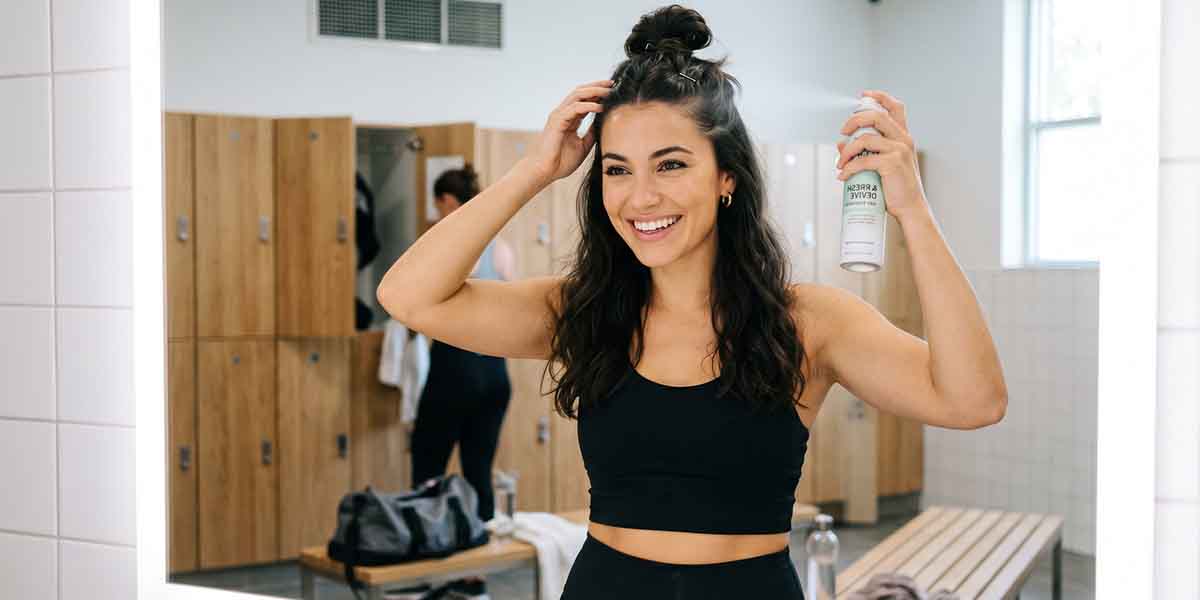
Here’s the truth nobody warns you about: sweat is not actually the villain in this story. It’s the combination of sweat, product buildup, friction, and the wrong post-workout habits that turn a good hair day into a disaster. The good news? Once you understand what’s happening and why, fixing it is surprisingly straightforward.
This guide breaks down everything — from pre-workout prep to post-sweat recovery — so you can keep your hair looking decent even on the days you push hardest.
Understanding What Sweat Actually Does to Your Hair
Before diving into the hacks, it helps to understand the problem. Sweat itself is mostly water with a small amount of salt, urea, and trace minerals. On its own, it’s not particularly damaging. The issue comes from what happens when sweat sits on your scalp and strands for too long.
Salt from sweat draws moisture out of the hair shaft, leaving it dry and brittle over time. When sweat mixes with scalp oils and product residue, it creates a kind of film that weighs roots down and makes hair look greasy or flat even right after drying. On top of that, the physical act of exercising — rubbing against headbands, ponytail ties, or just the repeated motion of running — causes friction that leads to breakage, especially around the hairline and nape of the neck.
People with curly or naturally textured hair often have a harder time because their hair is already more prone to dryness and frizz. Sweat can disrupt the curl pattern, cause puffiness, and make defined styles disappear within minutes of a workout.
Knowing this, your strategy should focus on three things:
- Protecting the hair before you sweat
- Managing it while you work out
- Refreshing it effectively without over-washing
Pre-Workout Hair Prep: Setting Yourself Up to Win
Most people skip pre-workout hair prep entirely, going straight from bed to gym. But spending five minutes before you sweat can save you thirty minutes of damage control afterward.
Skip the Fresh Blow-Out Before a Workout
Fresh, just-washed hair actually absorbs sweat faster than hair that has a little natural oil on it. If you know you’re going to work out, consider doing it on day-two or day-three hair rather than immediately after shampooing. The scalp’s natural oils act as a light barrier, and your hair will handle the sweat better without looking as flat afterward.
Apply Dry Shampoo Before You Exercise
This might feel counterintuitive, but applying a light coat of dry shampoo at the roots before your workout is one of the most underrated tricks out there. The starch or silica in dry shampoo absorbs sweat as it forms, which means by the time you’re done exercising, your roots are already partially treated. You’ll need far less product to refresh afterward, and the results look cleaner.
Choose a lightweight formula and hold the can about six to eight inches from your scalp. You don’t need much — just a quick pass at the crown, temples, and nape area.
Style Your Hair to Minimize Friction
How you wear your hair during a workout matters more than most people realize. High ponytails put constant tension on the same section of hair, leading to breakage at the hairline and a telltale dent when you take it down. Tight styles like braids and buns hold up well, but using elastic bands with metal clasps or rough textures makes things worse.
Some styles that hold up well during exercise:
- Loose braids or two-strand twists — they protect ends and keep hair contained without requiring a tight base
- Low buns secured with a silk or satin-covered elastic — less friction, and easier on the edges
- A loose French braid — great for medium to long hair, keeps strands off the face while reducing frizz
- A simple pineapple updo for curly hair — preserves the curl pattern while getting hair out of the way
Stay away from metal bobby pins during heavy sweat sessions — the metal can oxidize and leave rust-colored marks on light hair, and the sharp tips snag and break strands.
Use a Headband That Actually Works
A good workout headband keeps sweat from dripping into your face and protects your hairline from excessive rubbing. Look for bands made from moisture-wicking materials like terry cloth, silicone-lined fabric, or neoprene blends. They should sit firmly without pinching. Avoid cotton headbands for intense workouts — they absorb sweat quickly and then become wet and heavy, creating the exact wet-hair problem you’re trying to avoid.
During the Workout: Damage Control in Real Time
Once you’re moving, there’s not a lot you can do to prevent sweating — that’s the point, after all. But a few habits during your session can make the recovery easier.
Wipe Your Hairline — Not Your Scalp
If sweat is dripping from your forehead, it’s tempting to wipe your entire head down. Resist. Use a clean microfiber towel to blot — not rub — along your hairline and the back of your neck. Rubbing creates friction that lifts the hair cuticle and leads to frizz. Blotting absorbs excess moisture without roughing up the surface.
Keep Your Hands Out of Your Hair
This one’s harder than it sounds. Constantly touching, adjusting, or tucking your hair during a workout transfers hand sweat and oils directly to your strands and scalp. It also disrupts whatever style you set and invites frizz. Tie it back, tuck it away, and leave it alone until you’re done.
Stay Hydrated — It Actually Affects Your Hair
Your body prioritizes hydration to critical systems when you’re dehydrated. Hair follicles are not on the priority list. Consistent dehydration during workouts can contribute to a dry, flaky scalp over time. Drinking enough water before and during exercise helps regulate how much your body sweats, and supports scalp health from the inside out.
Post-Workout Hair Refresh: The Real Game Changer
This is where most people struggle most. You’ve finished your workout, you’re in a rush, and your hair feels like a damp helmet. What you do in the next fifteen to thirty minutes determines whether your hair bounces back or stays a mess for the rest of the day.
Let Your Scalp Cool Down First
This is the step everyone skips, and it makes a big difference. After an intense session, your scalp stays warm and continues producing heat for a few minutes. If you apply dry shampoo or any other product while your scalp is still hot, it won’t absorb properly — it’ll just sit on the surface and make things look worse.
Take your hair down, give it a few minutes to air out, and let your scalp temperature drop. If you’re at a gym, use that time to stretch. At home, sit near a fan or a window. Two to five minutes is usually enough.
The Dry Shampoo Technique That Actually Works
Most people use dry shampoo wrong. They spray it on, wait thirty seconds, and then wonder why their hair still looks flat and powdery. Here’s how to do it properly:
- Lift sections of hair and spray at the roots from about six to eight inches away — not directly on the scalp
- Work in sections rather than just spraying over the top
- Let it sit for at least two to three minutes — the product needs time to absorb
- Massage it in with your fingertips using circular motions
- Flip your head upside down and shake gently to remove any excess powder
- Brush lightly with a soft bristle brush — this distributes the product and brings back volume
If you have darker hair, look for dry shampoos specifically formulated for dark tones — or tap a little in, work it through, and then finish with a dark powder or even cocoa powder to neutralize any white cast.
Refreshing Sprays and DIY Options
For curly and wavy hair types, dry shampoo often isn’t the best tool — it can disrupt the curl pattern and create unwanted frizz. A better option is a light curl refresh spray or a DIY mix of water and a small amount of leave-in conditioner in a spray bottle.
Spritz lightly over sections of hair, then scrunch from ends to roots to re-activate the curl pattern. If your gym has a diffuser available, great. If not, gently pat curls into place and let them air dry — you’ll be surprised how well they can snap back.
Quick Rinse vs. Full Wash: When to Do What
Not every workout requires a full shampoo. Over-washing strips your scalp of the natural oils it needs to stay healthy, which ironically makes it produce more oil to compensate — a frustrating cycle that many active people fall into without realizing it.
A rough guide:
- Light workout (30 minutes, mild sweat): dry shampoo refresh is enough
- Moderate workout (45-60 minutes, noticeable sweat): a scalp rinse with water or a co-wash (conditioner-only wash) can clean without stripping
- Heavy workout (intense session, significant sweating): a gentle clarifying shampoo followed by a hydrating conditioner is worth the time
When you do shampoo, focus on the scalp rather than the lengths. Lather at the roots, then let the suds rinse down through the rest of your hair as you wash it out. This prevents the dryness and dullness that comes from over-shampooing the mid-shaft and ends.
The Weekly Hair Routine for Active People
If you work out four or more times a week, your hair care routine needs to account for that. Here’s a framework that works for most active people, though you’ll want to adjust based on your specific hair type.
Wash Days: 2-3 Times Per Week Maximum
For most hair types, washing two to three times per week strikes the right balance. On non-wash workout days, use dry shampoo, a water rinse, or a co-wash depending on what your hair needs. Space your wash days out — so if you wash Sunday, your next wash might be Wednesday, and then Saturday.
Deep Conditioning: Once Per Week
Exercise puts stress on hair — from the sweat, from the salt, from friction, from heat if you use styling tools afterward. A weekly deep conditioning treatment or hair mask helps restore moisture and protein. Look for masks with ingredients like shea butter, coconut oil, keratin, or argan oil.
Apply to clean, damp hair after your wash, focusing on mid-lengths and ends. Leave it on for at least 15-20 minutes (or overnight with a silk cap for deeper penetration). Rinse thoroughly with cool water to seal the cuticle.
Scalp Care: Don’t Forget the Foundation
All that sweat, product, and buildup from workouts can clog follicles over time if you’re not proactive about scalp care. A scalp scrub or exfoliating treatment used once every two to four weeks can clear buildup, improve circulation, and create a healthier environment for hair growth.
You can use a dedicated scalp scrub product or make a simple one at home with brown sugar, a carrier oil like jojoba or olive oil, and a few drops of tea tree essential oil. Massage it into the scalp before shampooing, let it sit for a few minutes, then rinse completely.
Protective Styling Between Sessions
On rest days and days when you’re not working out hard, give your hair a break from heat tools and tight styles. Loose braids, low buns, or simply wearing it down when possible helps reduce cumulative stress. If you’re going to use heat, always use a heat protectant spray first, and keep the temperature at the lowest effective setting.
Product Picks and Ingredients Worth Knowing
You don’t need a cabinet full of products to maintain healthy hair through regular exercise. A focused lineup with quality options is worth more than a dozen mediocre ones.
What to Look For in Dry Shampoos
Not all dry shampoos are equal. The best ones for workout hair have:
- Rice starch or tapioca starch — these absorb oil without leaving as much visible powder as kaolin clay
- Light fragrance or fragrance-free options — heavy perfume on a sweaty scalp can become overwhelming
- No aerosol propellants that leave white residue — look for clear sprays or powder-based formulas
- A fine mist or powder delivery system for even distribution
Ingredients to Seek in Shampoos
For an active lifestyle, look for shampoos that clean effectively without stripping:
- Sodium cocoyl isethionate or coco betaine — gentle surfactants that cleanse without being harsh
- Peppermint or tea tree oil — invigorates the scalp and has mild antimicrobial properties that combat sweat odor
- Salicylic acid — helpful for people prone to scalp buildup or dandruff made worse by frequent sweating
- Panthenol (vitamin B5) — helps retain moisture in the hair shaft
What to Avoid
Some ingredients make sweaty hair situations worse:
- Heavy silicones — they coat the hair and trap sweat, leading to faster greasiness; look for dimethicone on the label as the main offender
- Sulfate-heavy shampoos used too frequently — these clean too thoroughly and trigger the over-production of scalp oil
- Alcohol-heavy styling products before workouts — they dry out the shaft and make hair more susceptible to sweat damage
Tips by Hair Type: Because One Size Doesn’t Fit Anyone
Straight, Fine Hair
Fine, straight hair shows sweat the fastest because there’s less texture to absorb and distribute it. The scalp oils travel down the hair shaft quickly too, leaving that flat, greasy look within an hour of a workout.
Focus on volume-boosting dry shampoos that add texture while absorbing oil. After a workout, flip your head upside down and use a brush or your fingers to rough up the roots before restyling. A volumizing mist can also help revive a flat look without weighing strands down.
Thick, Coarse, or Straight Hair
Thicker hair hides sweat better, but it also takes longer to dry — which means bacteria from sweat has more time to grow if hair stays damp for too long. Make sure you’re actually drying your hair (at least 80% of the way) after washing, or wearing styles that allow air circulation at the scalp.
Wavy Hair
Wavy hair is particularly sensitive to humidity, and sweat acts like a humidity bomb. The waves can go limp or, in some conditions, go in the other direction and become overly frizzy depending on hair porosity.
A light anti-humidity spray applied before working out can create a barrier. After the workout, enhance the natural wave with a curl cream or mousse while hair is still slightly damp from the sweat — it sounds odd, but scrunching product into damp post-workout hair can actually revive a good wave.
Curly and Coily Hair
This is the category with the most specific needs. Curly and coily hair types tend to be naturally drier, and sweat can mess up curl definition quickly while also causing the cuticle to swell and create frizz.
Pineappling (gathering curls loosely at the top of your head) before working out is a good standard practice. After exercising, use a water spray with a small amount of leave-in conditioner to re-wet and re-activate curls. Scrunch out the crunch if you’re refreshing with a gel. Avoid dry shampoo if possible — the powder tends to dull curl definition. If you need scalp absorption, look for a water-based scalp refresher spray instead.
Managing Hair Odor After Heavy Workouts
Sweat itself doesn’t have a strong smell — that comes from bacteria breaking it down on the scalp. If you’re finding that your hair holds onto odor even after refreshing, a few things can help.
Apple cider vinegar (ACV) is genuinely useful here. Dilute one part ACV with three parts water in a spray bottle and apply it to the scalp after working out, before rinsing or washing. ACV is acidic, which helps neutralize the alkaline environment that odor-causing bacteria thrive in. Let it sit for two to three minutes, then rinse thoroughly. It won’t smell like vinegar once it dries.
Tea tree oil is another option. A few drops added to your shampoo or diluted into a scalp spray can help control bacterial and fungal growth without irritating the scalp at low concentrations.
Make sure gym towels, headbands, and any fabric that touches your hair regularly is washed frequently. Old sweat in a headband can transfer bacteria right back to a freshly cleaned scalp.
Long-Term Habits That Protect Hair Health
Hair care is cumulative. The daily and weekly choices you make compound over months, either toward stronger, healthier hair or toward breakage, thinning, and chronic frizz. Here’s the long game:
Trim Regularly
Ends are the oldest and most weathered part of your hair. Split ends travel up the shaft over time if not cut, and exercising regularly accelerates that process through friction and dryness. Getting a trim every eight to twelve weeks removes the damage before it spreads.
Sleep on Silk or Satin
If you’re working out, your hair is already dealing with extra stress during the day. Sleeping on a cotton pillowcase at night adds friction that chips away at the cuticle and creates tangles. A silk or satin pillowcase (or a silk bonnet for curly hair) reduces friction significantly and keeps hair smoother overnight. It’s one of those changes that makes a noticeable difference within a few weeks.
Watch Your Nutrition
Hair is made of protein, and growing active people sometimes don’t eat enough of it. A diet consistently low in protein can lead to increased shedding and slower growth. Make sure you’re getting adequate protein from whole food sources — lean meats, eggs, beans, legumes, dairy, or plant proteins depending on your diet.
Iron deficiency is also common in people who exercise intensely, especially women, and it can show up as hair thinning or shedding before other symptoms appear. If you’ve noticed more hair falling out during periods of heavy training, it’s worth getting your iron and ferritin levels checked.
Don’t Over-Rely on Heat Styling After Workouts
It’s tempting to blow-dry and restyle after every workout, especially if you need to be somewhere. But daily heat styling on top of the stress of regular exercise can lead to chronic dryness and breakage. If you can, air dry for at least part of the drying process. Learn to embrace styles that work without heat — braids, buns, textured ponytails, and even structured scarves or headbands can look intentional and put-together without requiring thirty minutes with a flat iron.
Putting It All Together
Keeping your hair in good shape while maintaining an active lifestyle isn’t about finding a magic product or a three-step shortcut. It’s about building consistent habits that work with your hair type and your schedule — before the workout, during it, and in the recovery window afterward.
Start with one or two changes rather than overhauling everything at once. Maybe it’s switching to a silk pillowcase and adding a pre-workout dry shampoo step. Or maybe it’s finally learning to do a proper French braid so you stop pulling your hair into a tight ponytail every session. Small adjustments, applied consistently, produce results that no single miracle product ever could.
Your hair doesn’t have to suffer for your fitness goals. With the right approach, both can thrive.