Home Cleaning Hacks & Tips
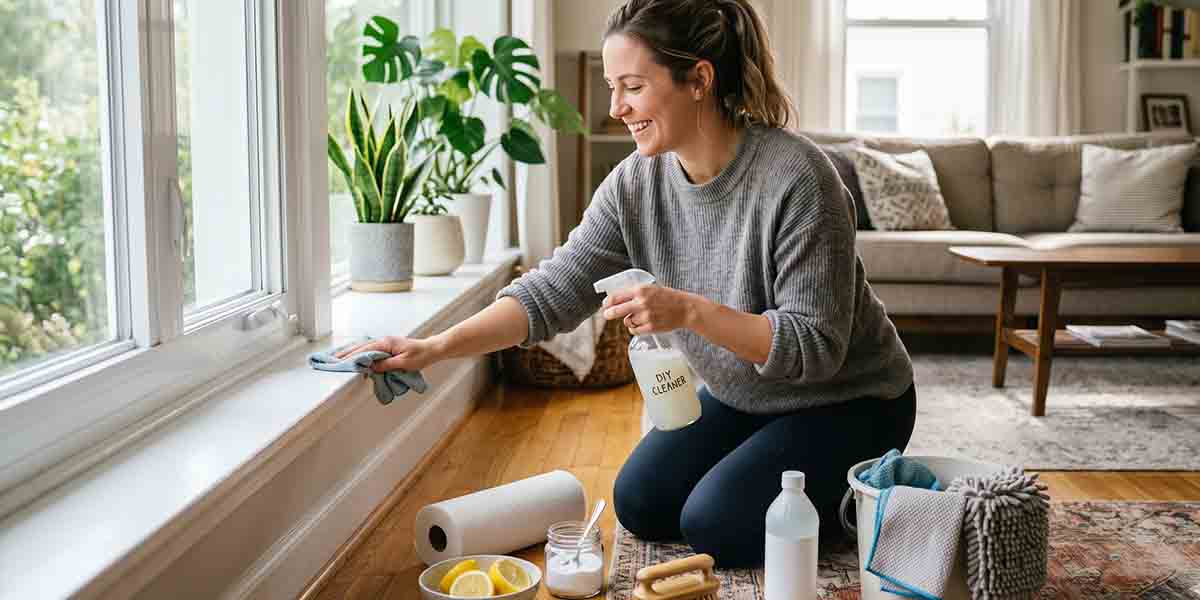
Keeping a home clean does not have to mean spending your entire weekend scrubbing floors or hunting down the right product for every surface. Most of the best cleaning solutions are sitting right in your kitchen cabinet. Over the years, seasoned homemakers and cleaning enthusiasts have figured out that a little baking soda, some white vinegar, and a microfiber cloth can outperform most expensive store-bought cleaners. This article walks you through room-by-room cleaning hacks that actually work — tested, practical, and easy to follow.
1. Kitchen Cleaning Hacks
The kitchen takes the hardest beating of any room in the house. Grease splatters, food residue, and daily wear can make it look worn down fast. But a few smart habits and simple ingredients will have it looking fresh with minimal effort.
Microwave Magic
Fill a microwave-safe bowl with one cup of water and a few tablespoons of white vinegar. Toss in a few lemon slices if you have them. Microwave on high for five minutes and let the steam sit for another two or three minutes before opening the door. Everything inside will wipe off with almost no friction. The steam loosens dried food, and the vinegar cuts through odors. No scrubbing, no harsh chemicals.
Greasy Stovetop Fix
Mix equal parts baking soda and dish soap into a paste. Spread it over the greasy burner grates or stovetop surface and leave it for 15 to 20 minutes. Then scrub with an old toothbrush or a damp sponge. This combination breaks down oil and baked-on residue far better than a general cleaner will. For glass-top stoves, use a soft cloth and go easy on the pressure to avoid scratching.
Freshen Up the Garbage Disposal
Drop a few ice cubes, a handful of coarse salt, and some lemon peels into the garbage disposal and run it for about 30 seconds. The ice and salt work together to scrub the blades, and the lemon kills bacteria while leaving behind a clean citrus smell. Do this once a week and you will rarely deal with disposal odors.
2. Bathroom Cleaning Hacks
Bathrooms are small spaces that require regular attention. Soap scum, hard water stains, and mildew can build up quickly, but none of them are as difficult to deal with as they seem.
Toilet Bowl Without the Scrubbing
Pour one cup of white vinegar into the toilet bowl and let it sit for about 30 minutes. Then sprinkle in a generous amount of baking soda and scrub briefly with a toilet brush. The combination fizzes and breaks down mineral deposits and stains. For stubborn rings, add a bit of borax overnight and scrub in the morning. This beats commercial toilet bowl cleaners in terms of both cost and effectiveness.
Showerhead Buildup
Fill a plastic bag with undiluted white vinegar and tie it around the showerhead so the nozzle is submerged. Leave it overnight. By morning, the mineral buildup will rinse right off and the water pressure will likely improve noticeably. This is especially useful in areas with hard water.
Soap Scum on Glass Shower Doors
Rub the glass with a dryer sheet — even a used one works. The coating on dryer sheets cuts right through soap scum and leaves the glass looking streak-free. Follow up with a spray of diluted white vinegar and wipe dry for a polished finish. After cleaning, rub a small amount of car wax onto the glass. It creates a barrier that repels water and soap for weeks.
3. Living Room and General Areas
Common areas pick up dust, pet hair, stains, and odors from everyday living. Staying on top of these spaces does not take much time when you know the right approach.
Remove Pet Hair from Upholstery
Dampen a rubber glove and run your hand across the furniture in long strokes. The pet hair will clump up and roll off, making it easy to grab and toss. A damp sponge works in a similar way. For carpets and rugs, lightly spray the surface with a water and fabric softener mix before vacuuming. This loosens the hair from the fibers and makes it easier for the vacuum to pick up.
Dust Smarter, Not Harder
Always dust from top to bottom, starting with ceiling fans, shelves, and light fixtures before moving to lower surfaces. Use a microfiber cloth instead of a feather duster, which just moves dust around rather than trapping it. For ceiling fan blades, slide an old pillowcase over each blade and pull it back slowly to catch all the dust inside rather than letting it fall onto the floor.
Refresh Carpets with Baking Soda
Sprinkle baking soda generously over your carpet and let it sit for at least 15 minutes, though leaving it for an hour gives better results. Vacuum it up thoroughly. The baking soda absorbs odors trapped in the fibers, leaving the room smelling noticeably fresher. Add a few drops of your favorite essential oil to the baking soda before sprinkling if you want a light scent.
4. Bedroom Cleaning Hacks
Bedrooms tend to accumulate dust and allergens faster than other rooms, especially around mattresses, pillows, and curtains. A few focused habits go a long way here.
Clean Your Mattress Properly
Strip the bed, then vacuum the mattress surface with the upholstery attachment. Sprinkle baking soda over the entire surface, rub it in lightly, and leave it for several hours — or the whole day if you can. Vacuum it all up before making the bed. This removes moisture, dead skin cells, and odors. For stains, mix hydrogen peroxide with a small amount of dish soap and baking soda, dab it onto the stain, and blot dry. Do not soak the mattress.
Closet and Drawer Fresheners
Place a few pieces of white chalk or small sachets of dried lavender in your closet and drawers. Both absorb moisture and keep musty smells away. Cedar blocks work even better and help repel moths. Replace or refresh them every few months to keep them effective.
5. Windows and Glass Surfaces
Getting streak-free windows is something a lot of people struggle with, but the solution is usually simpler than you think.
The Newspaper Trick
Spray a diluted vinegar solution on the glass — two parts water to one part white vinegar works well — then wipe with crumpled newspaper instead of a cloth or paper towel. Newspaper does not leave lint and the slight abrasiveness of the paper removes residue without scratching the glass. The result is noticeably cleaner than most other methods.
Timing Matters
Avoid cleaning windows in direct sunlight. The cleaner dries too fast and leaves behind streaks before you have a chance to wipe them away. Overcast days or early morning when the sun is not hitting the glass directly are the best times to get a truly clean finish.
6. Laundry Room Tips
Keep the Washing Machine Clean
Run an empty hot water cycle with two cups of white vinegar once a month. Midway through, pause the cycle and let it soak for an hour. Then complete the cycle and run a second empty cycle with half a cup of baking soda. This removes soap scum, mineral deposits, and mildew from the drum and keeps your machine running efficiently and smelling clean.
Remove Stubborn Stains Before Washing
For grease stains, rub a small amount of dish soap directly onto the fabric before washing. For grass or blood stains, hydrogen peroxide is very effective when applied directly and allowed to sit for a few minutes. Cold water works better than hot for protein-based stains like blood or egg, since heat sets the stain permanently into the fabric.
7. Quick Daily Habits That Prevent Big Messes
A lot of deep cleaning can be avoided entirely with a few small daily habits. The goal is to keep things from building up in the first place.
- Wipe down kitchen counters and the stovetop after every meal. It takes two minutes and prevents buildup.
- Squeegee the shower walls after each use to stop water spots and mildew from forming.
- Leave a small container of baking soda in the refrigerator to absorb food odors. Swap it out every two months.
- Do a quick ten-minute tidy each evening. Put things back where they belong so surfaces stay clear.
- Use doormats at every entrance and ask people to remove shoes at the door. This alone cuts your floor-cleaning time in half.
- Keep a small cleaning caddy stocked with basic supplies in both the kitchen and bathroom so you can clean on the spot without digging through cabinets.
8. DIY All-Purpose Cleaning Spray
You do not need a different product for every surface in your home. A simple homemade all-purpose spray handles most everyday cleaning jobs and costs almost nothing to make.
What you need:
- 1 cup white vinegar
- 1 cup water
- 15 drops tea tree essential oil (optional, for antibacterial properties)
- 10 drops lemon or lavender essential oil (for scent)
- 1 spray bottle
Mix everything together in the spray bottle and shake gently. Use it on countertops, sinks, appliance exteriors, and most hard surfaces. Avoid using it on natural stone like marble or granite, since the acidity can damage the surface over time. For those areas, just use water with a little dish soap instead.
Final Thoughts
Cleaning your home well does not require an expensive collection of specialty products or an entire day set aside. A solid understanding of a few basic ingredients — baking soda, white vinegar, dish soap, and hydrogen peroxide — gets you most of the way there. The rest comes down to consistency. Small daily habits prevent large weekend jobs. And when you do need to deep clean, working room by room with the right approach makes the whole thing much more manageable.
Start with one or two of the hacks in this article and work them into your routine. Once they become second nature, add a few more. Before long, maintaining a clean home will feel a lot less like a chore and a lot more like second nature.