Portable Washing Machine Reviews & Guide
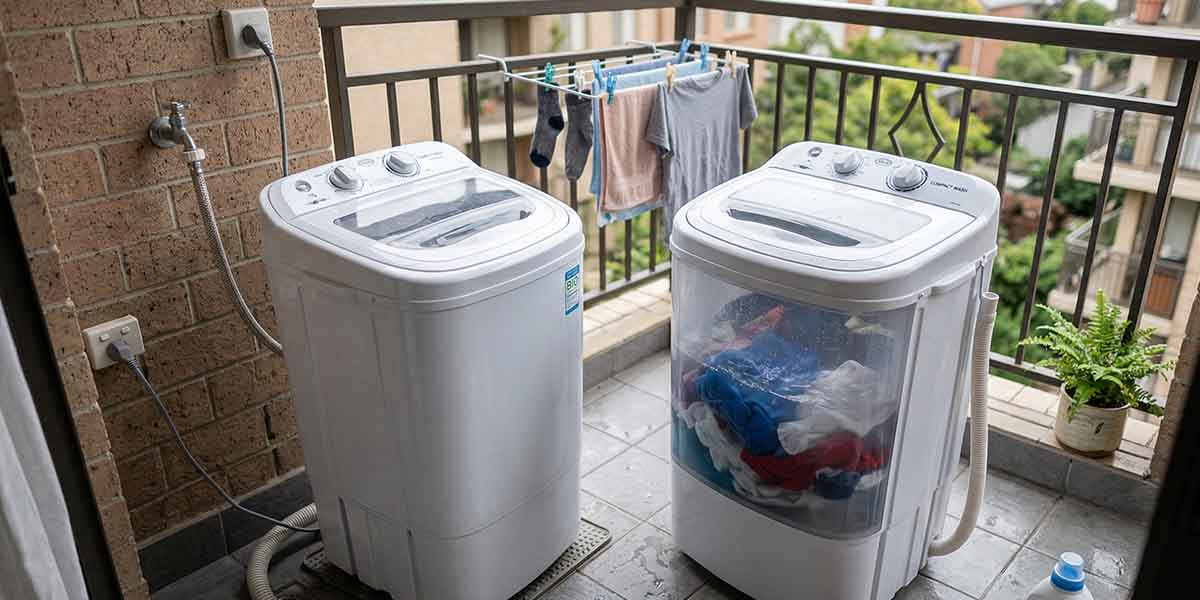
Doing laundry has never been the most exciting part of daily life, but for millions of people around the world, it is a task that comes with its own set of headaches. Whether you live in a small city apartment, move frequently, travel for work, or simply want to cut down on trips to the laundromat, a portable washing machine might be exactly what you have been looking for. These compact machines have come a long way from the basic hand-crank tubs of decades past, and today they offer genuine washing performance in a form factor that fits nearly any living situation.
This guide covers everything worth knowing about portable washing machines — how they work, what types are available, how to choose the right one, and how to get the most out of it once you bring it home.
What Is a Portable Washing Machine?
A portable washing machine is a compact, lightweight laundry appliance designed to be moved around as needed and used without a permanent plumbing hookup. Unlike full-size washers that get bolted into a laundry room and connected to dedicated water lines, portable machines typically attach to a kitchen or bathroom faucet using an adapter and drain into a sink or bucket.
They are smaller than standard washers in every dimension — usually no more than 24 to 26 inches tall and roughly 17 to 22 inches wide. Most weigh between 10 and 30 pounds, which makes them easy to carry, store in a closet, or tuck under a counter when not in use. Despite their small size, many of them handle a load of laundry reasonably well, making them a practical solution for individuals, couples, or small families who cannot access or afford a full laundry setup.
Who Should Consider a Portable Washer?
Portable washing machines are not for everyone, but for certain groups of people, they are a game changer. The most common users include:
- Apartment dwellers who do not have laundry hookups in their unit
- College students living in dorms or off-campus housing without washer access
- People in RVs, tiny homes, or boats where space and infrastructure are limited
- Frequent travelers who prefer to wash clothes rather than pack heavy suitcases
- Homeowners whose laundry room is under renovation
- Anyone trying to cut spending on laundromat visits over time
- Households looking to do small loads quickly without running a full-size machine
If any of these situations sound familiar, a portable washer is worth a serious look. The question then becomes which type suits your needs best.
Types of Portable Washing Machines
Not all portable washers are built the same way. There are three main categories, each with its own strengths and ideal use cases.
Twin Tub Machines
Twin tub machines are probably the most widely sold type of portable washer in many parts of the world. As the name suggests, they have two separate compartments sitting side by side. One tub handles the actual washing, and the other is a spin cycle compartment that removes excess water from clothes after the wash cycle is complete.
The process with a twin tub involves manually moving clothes from the wash side to the spin side between cycles, which requires a bit more hands-on involvement than an automatic machine. However, this design is simple, reliable, and affordable. Twin tubs tend to hold between 5 and 18 pounds of laundry depending on the model, and they are widely available at prices that undercut most full-size washers considerably.
The main drawback is that they are not fully automatic. You need to fill and drain them manually in most cases, and the back-and-forth between tubs takes some getting used to. But for the price and performance, they remain one of the best values in portable laundry appliances.
Compact Single-Drum Washers
Compact single-drum portable washers look like miniature versions of the top-load or front-load machines you would find in a typical laundry room. They have a single wash drum, multiple cycle options, automatic timers, and in many cases, built-in spin cycles — all in one unit. Some models even offer hot and cold water options and multiple wash settings.
These machines are more user-friendly than twin tubs because you do not have to move clothes between compartments. You load the machine, set your cycle, connect to a faucet, and let it run. The trade-off is price — compact single-drum washers tend to cost more — and they still require you to manually connect to a water source each time.
Capacity ranges widely across models. Entry-level compact washers might hold only 6 or 7 pounds, while more capable models can wash 10 to 13 pounds at a time. For a single person or a couple, that is often more than enough.
Countertop and Ultra-Compact Washers
At the smallest end of the spectrum are countertop and ultra-compact washers. These are truly tiny machines designed to sit on a countertop or fit into the tightest spaces. Some of them are shaped like a pod or cylinder and hold only 5 to 8 pounds of laundry. A few newer models are designed with camping or off-grid living in mind and may use minimal water or even work without a standard faucet connection.
Countertop washers are best suited for people who live alone and have very modest laundry needs. They are also popular with campers, van lifers, and people on extended travel. The wash quality is generally acceptable for lightly soiled items, though heavily stained or bulky fabrics may not come out perfectly clean.
How Portable Washers Work
Understanding how these machines operate helps set realistic expectations and makes using them much easier.
Most portable washers connect to a kitchen or bathroom faucet using a quick-connect adapter that screws onto the faucet nozzle. A hose runs from the adapter into the machine’s water intake. When you turn on the faucet, water flows into the drum or wash tub. You add a small amount of laundry detergent — usually significantly less than you would use in a full-size machine — and then start the wash cycle.
During washing, an agitator or the drum itself rotates to move clothes through the soapy water. This loosens dirt, oils, and residue from the fabric. After the wash cycle, the dirty water drains out through a separate hose that you place into a sink or bucket. The spin cycle then removes as much water as possible from the clothes before you hang them up or transfer them to a dryer.
The entire process — wash, rinse, spin — typically takes between 15 and 45 minutes depending on the machine and the cycle selected. That is considerably faster than most full-size washers, and it uses a fraction of the water and electricity in the process.
Key Features to Look For
When shopping for a portable washer, a handful of features make a significant difference in day-to-day usability.
Capacity
Capacity is measured in pounds and refers to how much dry laundry the machine can handle in one load. For a single person, a machine with a 7 to 10 pound capacity is usually plenty. Couples will likely want something in the 10 to 13 pound range. Keep in mind that heavier fabrics like jeans and towels take up more of that capacity than lighter items like shirts and underwear.
Spin Speed
Spin speed is measured in revolutions per minute (RPM). Higher spin speeds extract more water from clothes before the cycle ends, which means shorter drying times afterward. Most portable washers spin somewhere between 400 and 1300 RPM. If you are air-drying your clothes rather than using a dryer, a higher spin speed makes a noticeable difference.
Wash Programs and Settings
Basic portable washers may offer only one or two cycles, while more advanced models include options for delicate fabrics, quick wash, heavy-duty cycles, and adjustable water temperature. Having multiple settings is helpful if you wash a variety of clothing types, including items that require gentler handling.
Water Connection Method
Most portable washers use a standard faucet adapter, but the type of adapter and how easy it is to connect can vary. Some machines include a universal adapter that fits nearly any faucet style; others come with a single adapter that may not fit older or unusual faucet designs. If you have a non-standard faucet, check compatibility before buying.
Noise Level
Portable washers vary in how loud they are during operation. Spin cycles in particular can generate quite a bit of vibration and noise. If you live in an apartment with thin walls or share a space with others, looking at reviews for noise feedback is a smart step before purchasing.
Build Quality and Warranty
Since portable washers are moved around and used regularly, build quality matters. Plastic components that crack or water connections that leak can turn a useful appliance into a frustrating one. Brands that offer at least a one-year warranty give you some protection if something goes wrong early on.
Portable Washer vs. Laundromat: The Real Cost Comparison
One question people always ask is whether a portable washer actually saves money compared to using a laundromat. The honest answer is: it depends on your situation, but for most regular users, the machine pays for itself fairly quickly.
Consider the math. A typical laundromat visit might cost anywhere from five to fifteen dollars per load when you factor in the washing and drying costs, plus transportation. If you do two loads a week, that adds up to somewhere between 500 and 1,500 dollars a year. A solid portable washer can be purchased for anywhere between 100 and 400 dollars, and your ongoing cost drops to just water, electricity, and detergent — usually just a few dollars a month.
Even on the low end, most portable washer owners recover the cost of the machine within a year. After that, the savings continue to accumulate. Beyond the money, there is also the time factor. Trips to the laundromat take hours out of your week when you account for travel, waiting, and the return trip. A portable washer lets you run a load at home while you cook, work, or relax.
Limitations to Keep in Mind
Portable washing machines are genuinely useful, but they are not perfect. Being aware of their limitations helps you decide whether one is right for your situation and sets realistic expectations if you do buy one.
- Smaller capacity means more frequent loads if you have a lot of laundry to do
- Most portable washers do not have built-in heating elements, so you are washing in whatever temperature the tap water provides
- Heavy or bulky items like comforters, large towels, and thick blankets may not fit or wash well
- Manual setup is required each time — connecting the water hose and placing the drain hose before each use
- Spin cycles do not dry clothes completely, so you still need to air dry or use a separate dryer
- Some models vibrate significantly during the spin cycle, which can be annoying in tight living spaces
None of these limitations are dealbreakers for most portable washer users, but they are worth weighing against your specific needs before buying.
Getting the Best Results From Your Portable Washer
Using a portable washer well is not complicated, but there are a few habits that make a real difference in wash quality and machine longevity.
Use the Right Amount of Detergent
Portable washers use significantly less water than full-size machines, which means they need less detergent. Using too much detergent is one of the most common mistakes. It leaves residue on clothes, can cause excess sudsing that the machine struggles to rinse out, and may eventually affect how well the machine works. A teaspoon to a tablespoon of liquid detergent is usually enough depending on load size and soil level.
Do Not Overload the Machine
It is tempting to stuff as much as possible into each load, but overloading a portable washer leads to poor results. Clothes do not get clean when they are packed too tightly because the water and detergent cannot circulate effectively. Stick to the rated capacity or slightly under it for best results.
Sort Your Laundry
The same sorting rules that apply to full-size washing also apply here. Washing heavily soiled work clothes with delicate tops is a bad idea regardless of the machine size. Separating by fabric type, color, and soil level protects your clothes and gives everything a better wash.
Keep the Machine Clean
After each use, leave the lid or door open to allow the inside to dry out. Stagnant moisture encourages mold and mildew growth, which can make your clothes smell worse after washing rather than better. Wiping down the drum and drain areas occasionally keeps things clean and fresh.
Check Hose Connections Before Running a Cycle
A loose connection on the inlet hose can spray water across your floor mid-cycle. Taking ten seconds to make sure the connection is tight before turning on the water prevents a frustrating mess.
Popular Brands and Models Worth Knowing
The portable washer market includes a wide range of brands from budget-friendly options to more feature-rich machines. A few names consistently come up in customer reviews and product discussions.
COSTWAY makes several compact and twin tub portable washers that are well-regarded for their build quality at a reasonable price. Their twin tub models in particular are among the most reviewed on major retail platforms, with strong feedback for reliability and ease of use.
BLACK+DECKER offers a compact portable washer that connects easily to most faucets and includes a simple digital display. It is particularly popular with apartment residents and college students who want a no-fuss setup.
Giantex produces a range of portable twin tub machines at lower price points and consistently receives solid marks for value. Their machines are straightforward to operate and suitable for first-time portable washer users.
Panda is another brand frequently mentioned in portable laundry discussions, offering both twin tub and fully automatic single-drum models with good capacity and multiple wash settings.
When comparing models, reading recent reviews matters more than brand reputation alone. Production quality can shift across product generations, and what was excellent two years ago may have changed.
Drying Options After Using a Portable Washer
Since portable washers spin out water but do not dry clothes, you need a plan for the next step. The most common options are:
Air Drying on a Rack or Line
Air drying is the simplest, cheapest, and most fabric-friendly option. A collapsible drying rack takes up minimal space and works well for most clothing. Hanging clothes near a window or in a well-ventilated area speeds up drying time. With a good spin cycle, many items dry within a few hours indoors.
Portable Compact Dryers
Compact electric dryers are available in sizes that pair well with portable washers. They take up more space and add to your electricity use, but they eliminate the wait for air drying. If you are setting up a complete portable laundry system, a compact dryer and a portable washer together can replace the functionality of a full laundry room at a fraction of the cost and space.
Shared or Laundromat Dryers
Some people use a portable washer at home and then take only the wet clothes to a laundromat for the dryer cycle. This hybrid approach cuts laundromat spending roughly in half compared to doing everything there, and it reduces the time spent at the laundromat since you skip the washing step entirely.
Environmental Considerations
From an environmental standpoint, portable washing machines offer a few notable advantages over both full-size home washers and laundromat usage.
Water consumption is significantly lower. A standard full-size top-load washer uses somewhere between 20 and 40 gallons of water per load. Most portable washers use between 5 and 15 gallons depending on the model and cycle. Over the course of a year, that adds up to thousands of gallons of water saved.
Energy use is similarly lower. Portable washers draw less electricity per cycle, and since you are not heating large volumes of water, they have a smaller footprint in terms of energy consumption. For households looking to reduce their utility bills and environmental impact, this is a real benefit.
Transportation emissions are also worth considering. Driving to a laundromat and back multiple times a week adds to your carbon footprint in a small but consistent way. Doing laundry at home — even with a portable machine — eliminates those trips entirely.
Setting Up a Portable Washer in a Small Space
One of the more practical challenges with a portable washer is figuring out where and how to set it up in a small living space. Here are a few approaches that work well.
In a kitchen, most portable washers are designed to sit near a sink and connect to the kitchen faucet. The drain hose drops directly into the sink basin. When not in use, the machine can be stored in a cabinet, under a counter, or in a nearby closet if it is compact enough. Some people leave their portable washer on wheels for easy repositioning.
In a bathroom, the same principle applies using the bathroom sink or bathtub faucet as the water source. The drain goes into the tub or toilet area. Bathrooms are often tight on floor space, so measuring carefully before buying is important.
In an RV or tiny home, portable washers are typically positioned in a utility area or under a custom-built counter. Some RV owners run laundry while connected to a campsite water hookup, while others fill the machine manually with stored water for off-grid washing.
Regardless of setting, having the machine near a faucet and a drain is the primary requirement. Beyond that, setup is usually straightforward.
Final Thoughts
Portable washing machines occupy a practical and increasingly popular corner of the home appliance market. They are not a replacement for a full-size laundry setup in every situation, but for the right person in the right living situation, they are genuinely useful tools that save money, time, and frustration.
Whether you are a first-time buyer trying to avoid laundromat trips, a traveler looking for on-the-road laundry solutions, or someone trying to set up a functional home in a limited space, there is almost certainly a portable washer out there that fits your needs and your budget.
The key is understanding what you need before you buy — your load size, your space constraints, your faucet type, and your drying setup — so you can match the right machine to the right situation. Do that homework first, and a portable washer is very likely to earn its place in your home.